
Management · Strategy · Operations · Growth

Management & Business Consultants in India

Strengthen strategy, operating models, execution, processes, performance systems and organisational capability across purpose-driven businesses and institutions.

Designed forPurpose-driven businessesSocial enterprisesNGOs & foundationsCSR teamsLeadership & Boards

Strategy to Execution

Management consulting should improve the organisation—not only produce recommendations

Organisations often know that something is not working but see only the visible symptom: slow decisions, overloaded leaders, inconsistent delivery, weak dashboards or fragmented processes.

Tridifa diagnoses the connected system behind the issue and co-designs practical changes across strategy, roles, processes, data, governance, technology and execution.

Decisions before deliverables
Root causes before solutions
Implementation built into design
Capability retained internally

Management & Business Consulting Services

Practical support across strategy, operations and transformation

Engage Tridifa for an integrated management assignment or a focused requirement around strategy, operating models, PMO, performance, processes, growth or change.

01

Strategy & Business Planning

Clarify organisational direction, strategic priorities, growth choices, capabilities, resource requirements and the roadmap required to move from ambition to execution.

  • Strategic plan or business plan
  • Priority and portfolio framework
  • Implementation roadmap and review rhythm
02

Operating Model & Organisational Design

Align structure, roles, decision rights, workflows, governance, technology and management systems with the organisation’s strategy.

  • Operating-model diagnostic
  • Organisation structure and role architecture
  • Decision-rights and accountability framework
03

PMO, PMU & Strategy Execution Support

Establish or strengthen the management function that coordinates priorities, workplans, milestones, risks, decisions and stakeholder communication.

  • PMO or PMU design
  • Execution dashboards and trackers
  • Governance, escalation and review mechanisms
04

Process Improvement & SOP Development

Map critical processes, remove avoidable friction, clarify responsibilities and standardise recurring work without creating unnecessary bureaucracy.

  • Process maps and bottleneck analysis
  • Standard operating procedures
  • Exception, quality and review protocols
05

Performance Management & Decision Dashboards

Translate strategic priorities into measurable objectives, practical indicators, management dashboards and recurring performance conversations.

  • Performance-management framework
  • KPIs, scorecards and dashboard requirements
  • Management review and action process
06

Financial & Commercial Planning Support

Strengthen management understanding of revenue, cost, cash-flow, utilisation, scenarios, pricing and resource allocation for strategic planning.

  • Planning assumptions and scenarios
  • Management financial model support
  • Commercial and sustainability recommendations
07

Market, Growth & Expansion Strategy

Assess customers, users, competitors, geographies, channels, partnerships and organisational requirements before entering or expanding a market.

  • Market and opportunity assessment
  • Growth and expansion options
  • Go-to-market and implementation roadmap
08

Partnership & Ecosystem Strategy

Identify where alliances, consortiums, institutional sales, government engagement or delivery partnerships can strengthen reach and capability.

  • Partner and ecosystem landscape
  • Partnership proposition and prioritisation
  • Governance and engagement roadmap
09

Governance, Risk & Management Controls

Clarify oversight, delegation, risk ownership, internal controls, issue escalation and management assurance across critical activities.

  • Governance and risk diagnostic
  • Risk and control framework
  • Management-assurance and reporting process
10

Digital Transformation & Automation Readiness

Identify where data, systems, dashboards, workflow automation or AI can improve decisions and operations without creating unmanaged complexity.

  • Digital-readiness assessment
  • Prioritised use-case portfolio
  • Implementation, governance and adoption roadmap
11

Change Management & Capability Building

Support teams through new strategies, structures, processes or systems using stakeholder engagement, communication, training and adoption mechanisms.

  • Change-impact and stakeholder assessment
  • Communication and adoption plan
  • Role-based training and coaching
12

Leadership, Board & Decision Support

Provide structured analysis, facilitation and decision materials for major organisational choices, reviews, transitions and performance discussions.

  • Decision and options analysis
  • Leadership or Board briefing materials
  • Facilitated workshops and action decisions

Tridifa Consulting Process

Design the solution around the decision and implementation

The process moves from diagnosis to adoption, ensuring that recommendations have clear ownership and a realistic path into day-to-day management.

  1. 01

    Frame the Decision

    Clarify the organisational question, intended decision, stakeholders, constraints and success criteria.

  2. 02

    Diagnose the System

    Review evidence, processes, roles, economics, technology, governance and stakeholder experience to identify root causes.

  3. 03

    Prioritise

    Separate critical changes from desirable improvements and sequence them by value, risk, urgency and feasibility.

  4. 04

    Design the Solution

    Co-design practical structures, processes, tools, responsibilities and implementation pathways with the people who will use them.

  5. 05

    Enable Execution

    Support implementation through workplans, PMO rhythms, coaching, templates, decision support and issue resolution.

  6. 06

    Review & Adapt

    Assess adoption and performance, capture lessons and refine the operating model or strategy as evidence emerges.

Operating Model

Align the full system required to deliver the strategy

Changing the organisation chart alone rarely solves performance problems. Structure must connect with decisions, processes, people, data, governance and external dependencies.

01

Strategy & Priorities

The choices, outcomes and areas of focus that determine where leadership attention and resources should go.

02

Structure & Roles

How teams are organised, which capabilities are internal and how responsibilities and reporting relationships are defined.

03

Decision Rights

Who recommends, approves, executes, reviews and escalates each critical organisational decision.

04

Processes & Controls

The recurring workflows, standards, approvals, quality checks and exceptions required for reliable execution.

05

People & Capability

The leadership, skills, staffing, incentives, workload and development required to deliver the strategy.

06

Data & Technology

The information, platforms, integrations, dashboards and automation needed for operations and decisions.

07

Governance & Performance

The management forums, KPIs, accountability, risk oversight and performance conversations that keep execution on track.

08

Partners & Ecosystem

The external organisations, suppliers, funders, channels and institutions required to extend capability and reach.

Common Management Scenarios

Match the advisory intervention to the real management problem

Similar symptoms can arise from very different causes. The advisory focus should reflect the underlying system and the decision leadership must make.

Common management scenarios, advisory focus and decision use
SituationAdvisory FocusDecision Use
Strategy exists, but execution is fragmented.Priority translation, PMO design, milestones, decision rights and management review.Create a practical strategy-execution system with clear ownership.
The organisation has grown faster than its structure.Operating model, organisation design, roles, spans, interfaces and management rhythms.Reduce ambiguity and align people and structure with current scale.
Teams spend too much time on manual coordination.Process mapping, standardisation, workflow redesign, automation and exception handling.Improve speed and reliability while reducing administrative burden.
Leadership receives data but limited insight.KPIs, dashboards, management interpretation, exception reporting and action tracking.Connect performance information to recurring decisions.
A new geography, service or customer segment is being considered.Market assessment, entry options, capability requirements, risks and implementation roadmap.Choose whether, where and how to expand.
Partnership activity is broad but not strategic.Ecosystem mapping, partner segmentation, value propositions, governance and conversion.Prioritise partnerships that materially strengthen growth or delivery.
Risks are discussed but not consistently owned or monitored.Risk taxonomy, ownership, controls, indicators, escalation and management assurance.Create a practical, accountable risk-management system.
A major transformation is creating adoption resistance.Change impacts, stakeholder engagement, communication, training and reinforcement.Improve adoption and reduce disruption during implementation.
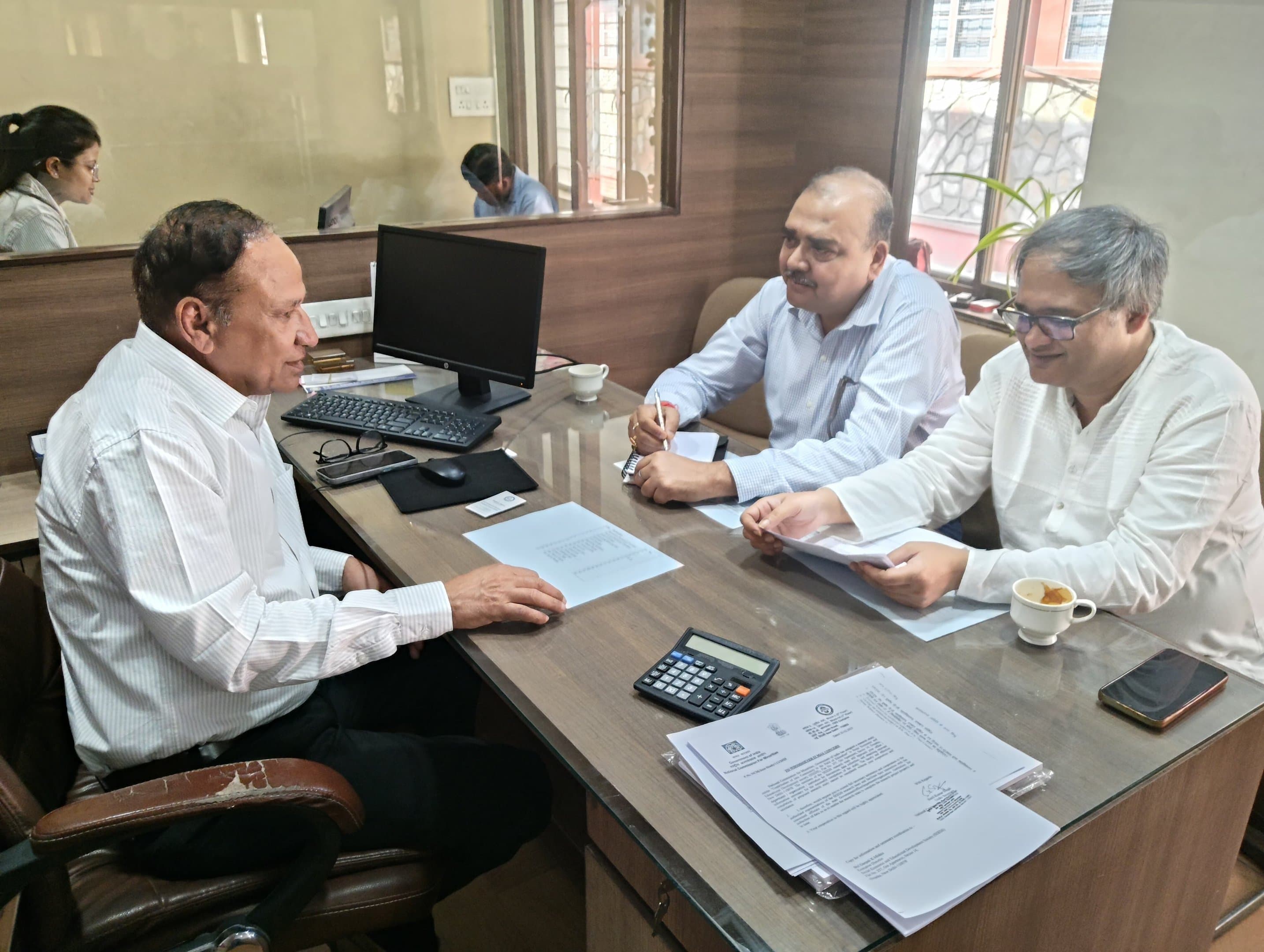
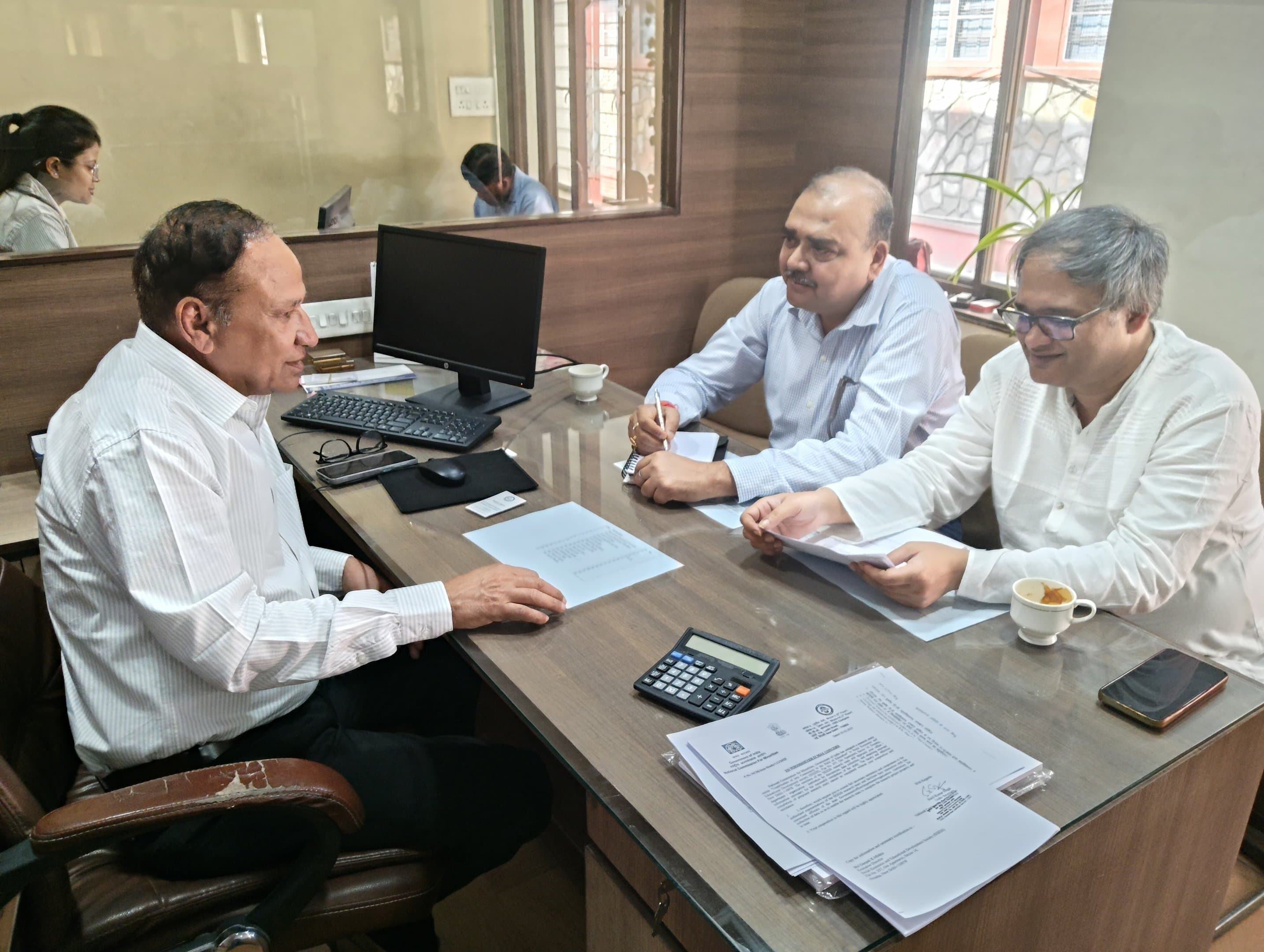
Leadership team reviewing strategy execution, performance and management decisions

Strategy Execution

Progress depends on clear ownership, decisions and review rhythms

PMO & Performance Systems

Turn strategic priorities into managed execution

A useful PMO or PMU does not merely collect updates. It makes dependencies visible, surfaces risks early, prepares decisions and ensures agreed actions are owned and followed through.

Clear strategic priorities and measurable outcomes

Named owners, milestones and dependencies

Concise decision and exception reporting

Risk, issue and corrective-action tracking

Leadership forums designed around decisions

Learning and course correction built into reviews

When to Engage

Signs your strategy or operating system needs redesign

The organisation has many priorities but no clear mechanism for deciding what comes first.

Leadership is involved in routine operational decisions because roles and delegation remain unclear.

Teams use different processes, definitions or templates for the same recurring work.

Performance reviews focus on updates rather than decisions, risks and corrective actions.

A new strategy, structure or digital system has been approved but implementation ownership is weak.

Growth is creating pressure on people, quality, cash flow, governance or internal coordination.

Partnerships and market opportunities are being pursued without explicit selection criteria.

Important decisions rely on fragmented data, anecdotal evidence or manually prepared reports.

Advisory Boundary

Strategic and operational advice does not replace regulated professional services

Tridifa can support planning assumptions, operating models, management controls, risk frameworks, commercial analysis and implementation systems. Formal legal opinions, statutory audit, tax advice, accounting certification, securities activity and regulated investment services require appropriately qualified professionals.

Tridifa’s Role

Frame strategic and management decisions

Generate and interpret decision evidence

Design practical operating and execution systems

Coordinate specialist inputs where required

Support adoption and internal capability

Typical Engagement Outputs

Practical products for leadership, teams and execution

Deliverables are selected around the decision, organisational context, implementation ownership and the capabilities that must remain after the engagement.

Strategic plan
Business plan
Operating-model diagnostic
Organisation structure
Role and accountability matrix
Decision-rights framework
PMO or PMU design
Strategy-execution dashboard
Process maps
Standard operating procedures
Performance-management framework
KPI and scorecard architecture
Market or growth assessment
Partnership strategy
Risk and control framework
Digital-transformation roadmap
Change-management plan
Board or leadership decision pack

Frequently Asked Questions

Management and business consulting

What does a management consultant do?

A management consultant helps organisations diagnose strategic and operational challenges, evaluate options, design practical solutions and support implementation. Work may involve strategy, operating models, organisation design, performance, processes, growth, governance, technology or change management.

Who should use management and business consulting services?

These services are designed for businesses, social enterprises, nonprofits, foundations, CSR teams, professional-services organisations and purpose-driven institutions facing growth, transformation, execution or organisational-performance challenges.

What is an operating model?

An operating model explains how an organisation turns strategy into delivery. It brings together structure, roles, decision rights, processes, people, data, technology, governance, performance management and external partnerships.

What is the difference between strategy and business planning?

Strategy defines the choices, positioning and priorities required to achieve an objective. Business planning translates those choices into assumptions, activities, resources, economics, milestones, responsibilities and review mechanisms.

What is the difference between a PMO and a PMU?

Both coordinate execution, planning, reporting, risks and decisions. PMO commonly refers to a Project or Programme Management Office, while PMU commonly refers to a Programme Management Unit. The appropriate structure and name depend on the organisation and programme.

Can Tridifa improve business processes and develop SOPs?

Yes. Support can include process mapping, bottleneck analysis, role clarification, control design, exception handling, standard operating procedures, quality checks and automation opportunities.

Can Tridifa design performance dashboards?

Tridifa can help define decisions, KPIs, data sources, ownership, dashboard requirements, review rhythms and management actions. Technical implementation can be included or coordinated depending on the platform, integration and maintenance scope.

How do you support organisational restructuring?

Restructuring support can include strategy review, capability assessment, operating-model design, organisation structure, role definitions, decision rights, workload analysis, transition planning, communication and adoption support.

Can management consulting support market expansion?

Yes. Expansion support may include market and customer research, competitor analysis, entry options, channel and partner strategy, capability requirements, economics, risks and a staged implementation roadmap.

What is change management?

Change management helps people understand, adopt and sustain a new strategy, structure, process, system or behaviour. It can include impact assessment, stakeholder engagement, communication, training, leadership alignment and reinforcement.

How is this different from nonprofit or startup advisory?

Management and business consulting addresses broad organisational strategy and performance. Nonprofit advisory places greater emphasis on mission, programmes, governance, donors and institutional strengthening. Startup advisory focuses on venture validation, business models, go-to-market, capital readiness and early-stage scale.

Does Tridifa provide legal, audit, tax or investment advice?

No. Tridifa provides strategic, operational, organisational, research, performance and implementation advisory. Legal opinions, statutory audit, tax advice, accounting certification, securities activity and regulated investment services must be handled by appropriately qualified professionals.
Strengthen the Organisation Behind the Strategy

Turn management challenges into clear decisions and execution

Tell us where performance is breaking down, which transition is approaching or which strategic decision remains unresolved. We will help define the right consulting pathway.

Start a management consulting conversation