
Startup & Social Enterprise Advisory

Startup & Social Enterprise Consultants in India

Validate the problem, strengthen the business and impact model, prepare for partnerships and fundraising, and build operating systems that support responsible growth.

Designed forEarly-stage startupsSocial enterprisesImpact venturesNonprofit venturesMission-driven founders

Purpose + Viability

Social purpose does not remove the need for a viable venture model

Purpose-driven ventures must solve a meaningful problem while also building a model that users adopt, customers or funders support and teams can deliver consistently.

Tridifa helps founders and institutions test assumptions, connect business and impact logic, prioritise the right evidence and prepare the venture for execution, partnerships, capital and responsible scale.

Problem before product
Evidence before expansion
Capital matched to the model
Impact built into operations

Startup & Social Enterprise Advisory Services

From problem validation to scale readiness

Engage Tridifa for an integrated venture-development assignment or for focused support around validation, business models, impact, fundraising, partnerships or operations.

01

Venture Strategy & Positioning

Clarify the problem, target users, value proposition, strategic choices, differentiation and the role the venture intends to play within its market or social-impact system.

  • Venture strategy and positioning
  • Priority user and problem definition
  • Strategic choices and roadmap
02

Business Model & Revenue Strategy

Design or refine how the venture creates, delivers and captures value across customers, beneficiaries, funders, partners and other stakeholders.

  • Business-model architecture
  • Revenue-stream and pricing options
  • Cost, margin and sustainability logic
03

Market, User & Ecosystem Research

Assess customer needs, beneficiary barriers, market structure, competitors, partners, regulations, demand and adoption conditions before major investment.

  • Market and user-research plan
  • Competitor and ecosystem landscape
  • Demand, barrier and opportunity analysis
04

MVP & Service-Model Design

Define the smallest credible product or service model that can test the venture’s critical assumptions with real users and manageable risk.

  • MVP scope and test plan
  • User journey and service blueprint
  • Learning metrics and iteration roadmap
05

Go-to-Market & Growth Strategy

Develop customer acquisition, channel, partnership, communication and conversion strategies suited to the venture’s market and stage.

  • Go-to-market strategy
  • Channel and customer-acquisition plan
  • Growth experiments and review metrics
06

Social Impact Model & Theory of Change

Connect the venture model to a credible social or environmental impact pathway, including stakeholders, outcomes, assumptions, indicators and risks.

  • Impact model and Theory of Change
  • Outcome and indicator framework
  • Impact-risk and evidence plan
07

Fundraising Readiness & Capital Strategy

Assess the venture’s readiness for grants, philanthropy, CSR, debt, equity, blended finance or other suitable capital pathways.

  • Capital-needs and readiness assessment
  • Funding-pathway strategy
  • Fundraising roadmap and data-room plan
08

Investor, Donor & Partner Materials

Develop evidence-led pitch decks, concept notes, business narratives, programme materials and supporting documents for external engagement.

  • Pitch deck or case-for-support
  • Executive summary and investment narrative
  • Financial, impact and traction evidence plan
09

Unit Economics & Financial Model Support

Clarify key revenue, cost, contribution, acquisition, retention, utilisation and scenario assumptions required for strategic decision-making.

  • Financial-model assumptions
  • Unit-economics and scenario analysis
  • Management interpretation and actions
10

Operating Model & Execution Systems

Align people, roles, workflows, technology, management rhythms and performance measures with the venture’s strategy and stage.

  • Operating-model review
  • Role and accountability architecture
  • Execution, review and decision systems
11

Partnerships, Pilots & Institutional Sales

Structure pilots and partnerships with corporates, NGOs, foundations, government bodies, research institutions and ecosystem actors.

  • Partner landscape and prioritisation
  • Pilot and partnership proposition
  • Engagement and conversion roadmap
12

Scale-Up, Replication & Organisational Readiness

Assess whether the venture model, team, evidence, systems, economics and partnerships are ready for expansion or replication.

  • Scale-readiness diagnostic
  • Replication or expansion strategy
  • Capability and investment roadmap

Venture Development Pathway

Advisory matched to the venture’s real stage

The priorities of an idea-stage venture differ from those of a venture preparing for institutional partnerships, fundraising or expansion.

  1. 01

    Problem Discovery

    Understand the user, beneficiary, customer, system and evidence behind the problem before locking the solution.

  2. 02

    Model Design

    Define the value proposition, delivery model, stakeholder roles, revenue logic, impact pathway and key assumptions.

  3. 03

    Validation

    Test demand, usability, feasibility, willingness to adopt, delivery quality and the assumptions that could invalidate the model.

  4. 04

    Early Execution

    Build operating rhythms, track user behaviour, improve the offer and create evidence around traction and outcomes.

  5. 05

    Fundraising & Partnerships

    Prepare the narrative, economics, evidence, governance and relationship strategy required for suitable capital and partnerships.

  6. 06

    Scale & Institutionalise

    Strengthen the team, systems, economics, evidence and partnerships required to expand without losing quality or purpose.

Business + Impact Model

Test the whole model—not one attractive idea

The venture becomes stronger when user value, delivery, economics, impact, partnerships and organisational capability are examined as one connected system.

01

Problem & User

The priority problem, affected users, paying customers, beneficiaries and the evidence supporting the need.

02

Value Proposition

The outcome, experience or advantage the venture provides and why stakeholders would choose or support it.

03

Delivery Model

How the product or service reaches users, which capabilities are internal and which rely on partners.

04

Revenue & Capital

Who pays, how revenue is generated, which capital is suitable and how cash flow supports delivery and growth.

05

Cost & Unit Economics

The main cost drivers, contribution logic, utilisation, acquisition, retention and the conditions required for viability.

06

Impact & Evidence

The intended social or environmental outcomes, evidence requirements, risks and how impact connects to the core model.

07

Distribution & Partnerships

The channels, relationships, institutions and ecosystem actors required for adoption, trust and scale.

08

Team & Operating System

The leadership, skills, roles, processes, governance and technology required at the venture’s current stage.

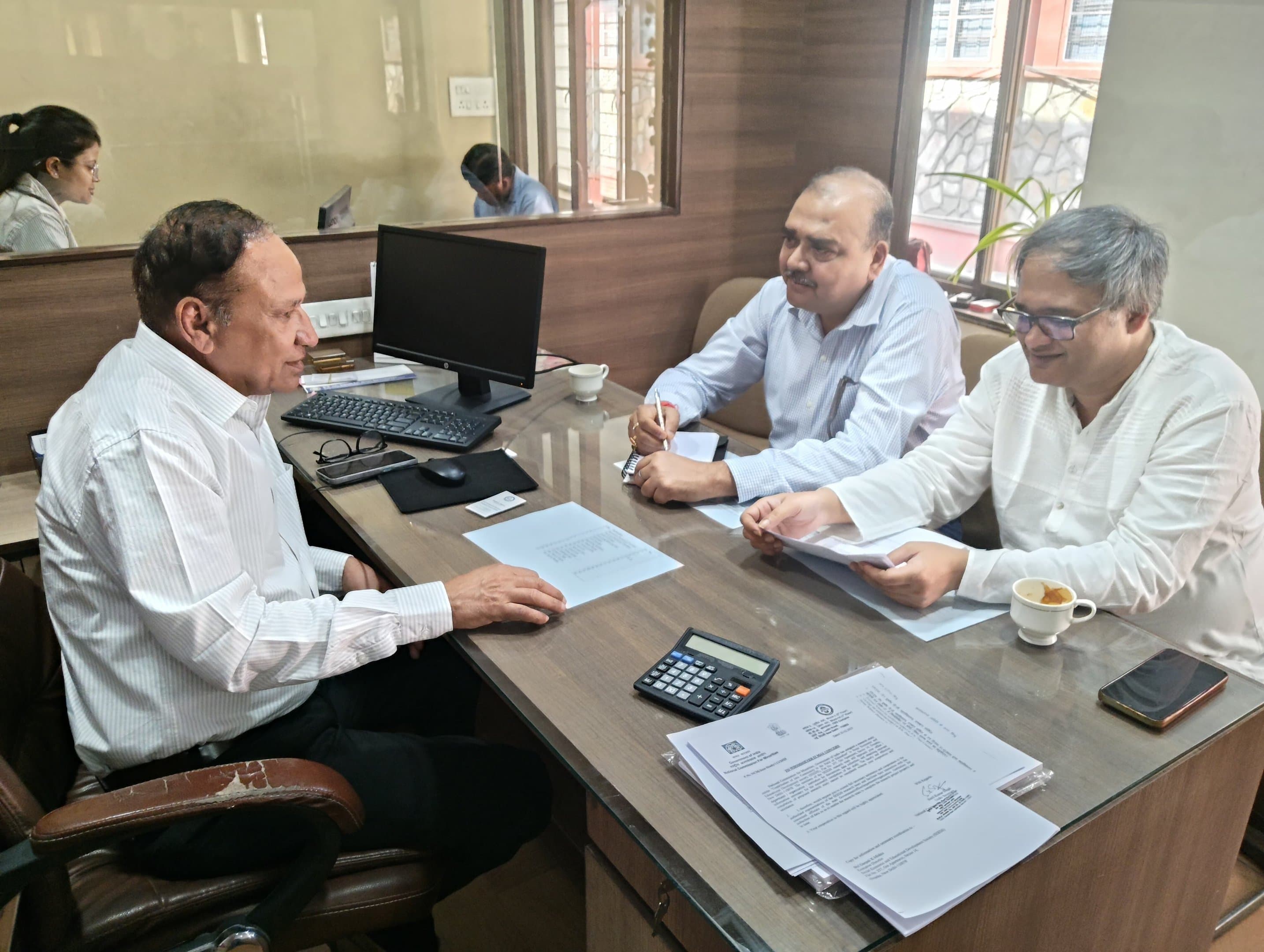
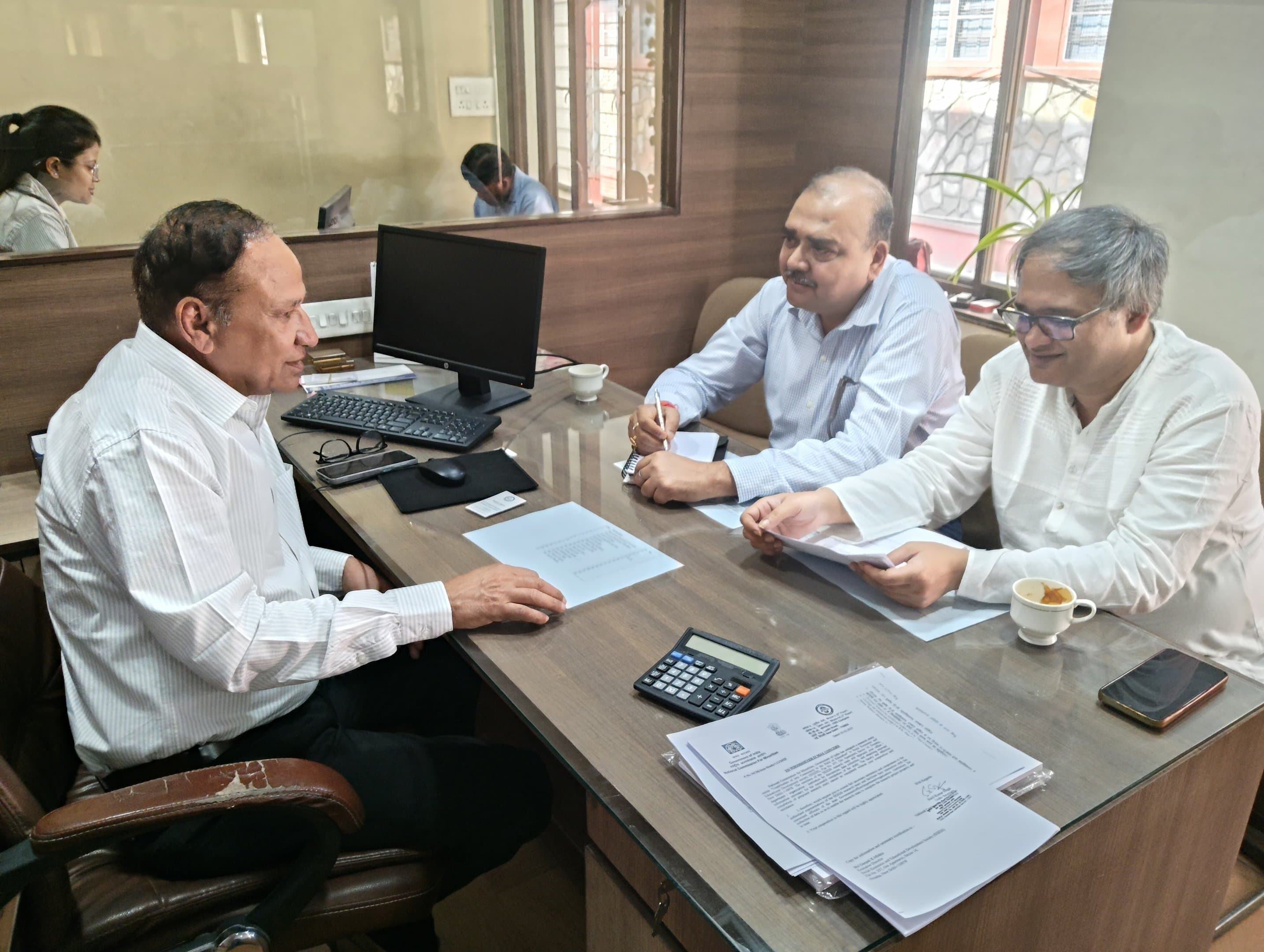
Purpose-driven venture team reviewing user evidence, business assumptions and impact strategy

Validation

Traction is useful only when you know which assumption it validates

Evidence Before Scale

Convert pilots and early activity into structured learning

Early users, pilots and partnerships should generate evidence about demand, usability, delivery, economics, outcomes and operational risk—not merely activity counts.

Define the assumption before running the test

Measure behaviour rather than interest alone

Separate customer, beneficiary and partner evidence

Track cost and delivery quality alongside uptake

Document what failed and what changed

Set clear evidence thresholds for the next investment

Capital Readiness

Match the funding instrument to the venture model and stage

Grants, philanthropy, CSR, revenue, debt, equity and blended finance create different expectations around growth, repayment, ownership, evidence and governance. The capital strategy should support the venture—not distort it.

Capital requirement and use of funds
Revenue and cash-flow pathway
Business and impact evidence
Governance and founder readiness
Data room and supporting documents
Investor, donor and partner targeting

When to Engage

Signs the venture needs sharper strategy or validation

The venture has a compelling idea but has not clearly defined the priority user, customer or problem.

The team is building features before testing the assumptions that determine whether the model can work.

Revenue, grant and investor pathways are being pursued without a coherent capital strategy.

The impact story is strong, but the business model and unit economics remain unclear.

The business model is credible, but the social-impact pathway and evidence system are weak.

Pilot activity exists, but the team cannot explain what has been validated and what remains uncertain.

Partnership discussions are broad and exploratory without a defined proposition or conversion process.

The venture is preparing to scale before strengthening its team, operating systems, economics or evidence.

Typical Engagement Outputs

Practical outputs for founders, teams and partners

Deliverables are selected around the venture’s stage, evidence, operating model and immediate strategic decisions.

Venture strategy
Problem and user definition
Value-proposition architecture
Business-model design
Market and competitor assessment
User-research findings
MVP scope and learning plan
Go-to-market strategy
Customer-acquisition and channel plan
Theory of Change
Impact-measurement framework
Capital and fundraising strategy
Pitch deck and executive summary
Financial-model assumptions
Unit-economics assessment
Operating-model review
Partnership and pilot strategy
Scale-readiness roadmap

Frequently Asked Questions

Startup and social-enterprise advisory

What does a startup advisor do?

A startup advisor helps founders clarify strategy, validate assumptions, refine the business model, understand customers, plan the MVP, develop go-to-market pathways, strengthen operations and prepare for partnerships or fundraising.

What is social-enterprise advisory?

Social-enterprise advisory combines venture strategy with social-impact design. It helps organisations align customers, beneficiaries, revenue, delivery, partnerships, evidence and impact so the model can create value while pursuing a clear social or environmental purpose.

Who should use startup and social-enterprise advisory services?

These services are designed for early-stage startups, impact ventures, social enterprises, nonprofit ventures, incubated initiatives, mission-driven founders and established organisations launching new products, services or enterprise models.

Can Tridifa help validate a startup idea?

Yes. Validation can include problem research, user interviews, competitor analysis, demand testing, prototype feedback, willingness-to-pay inquiry, pilot design and the identification of assumptions that require evidence before further investment.

What is an MVP?

A minimum viable product is the smallest credible version of a product or service that can test important assumptions with real users. It should generate learning, not simply launch a reduced list of features.

How is a social-enterprise business model different from a conventional startup?

A social enterprise must connect its revenue and operating model to a defined social or environmental purpose. It often has multiple stakeholders, including customers, beneficiaries, funders and partners, and must manage trade-offs between access, quality, affordability, impact and financial sustainability.

Can Tridifa help prepare a pitch deck?

Yes. Support can cover the problem, solution, user, market, traction, business model, go-to-market, team, financial logic, impact, risks, capital requirement and use of funds. The final narrative must be grounded in the venture’s actual evidence.

Does Tridifa guarantee investment or fundraising?

No. Advisory can strengthen strategy, evidence, materials, targeting and readiness, but investment, grant and partnership decisions remain with funders, investors, donors and institutions.

What are unit economics?

Unit economics examine the revenue and direct costs associated with a meaningful unit such as a customer, transaction, learner, patient, service episode or programme participant. The right unit and metrics depend on the venture model.

Can a nonprofit launch a social enterprise?

A nonprofit may explore earned-income or enterprise models, but the appropriate structure, tax treatment, governance and use of income depend on the organisation and jurisdiction. Strategic design should be accompanied by qualified legal, tax and accounting advice.

When is a venture ready to scale?

A venture is more ready to scale when it has evidence of a real problem, a validated offer, repeatable delivery, acceptable unit economics, suitable demand channels, capable leadership, reliable systems, manageable risks and clarity on how quality and impact will be maintained.

Does Tridifa provide legal, tax or investment-banking services?

No. Tridifa provides strategic, business-model, market, impact, operating and fundraising-readiness advisory. Incorporation, contracts, securities, tax, accounting, valuation and regulated investment services must be handled by appropriately qualified professionals.
Build a Stronger Venture

Validate what matters before committing the next investment

Tell us the venture stage, the model being tested and the decision or uncertainty ahead. We will help define a practical advisory pathway.

Start a venture advisory conversation