
Data · Analytics · AI · Automation

Data, AI & Automation Consultants for NGOs in India

Strengthen data quality, design useful dashboards, automate repetitive work and adopt AI responsibly across programmes, research, fundraising, reporting and institutional operations.

Designed forNGOs & nonprofitsCSR teams & foundationsDevelopment programmesSocial enterprisesResearch & MERL teams

Problem Before Platform

Digital transformation begins with the decision and workflow

New software cannot solve unclear indicators, fragmented ownership, inconsistent processes or low-quality data. Successful transformation begins by understanding the users, decisions, risks and operational realities behind the technology request.

Tridifa helps organisations decide what should be standardised, visualised, automated or augmented with AI—and what should remain under accountable human judgement.

Use case before tool selection
Data quality before advanced analytics
Automation before unnecessary AI
Governance before scale

Data, AI & Automation Services

From data foundations to responsible AI adoption

Engage Tridifa for a digital-readiness assignment or focused support around dashboards, analytics, AI governance, workflow automation or reporting systems.

01

Data Strategy & Digital Readiness

Assess how data, systems, roles and technology support organisational decisions, then define a proportionate transformation roadmap.

  • Data and digital-readiness diagnostic
  • Priority use-case portfolio
  • Sequenced implementation roadmap
02

Data Governance & Quality Management

Clarify data ownership, definitions, access, validation, retention, privacy and quality controls across programme and institutional systems.

  • Data-governance framework
  • Data dictionary and ownership matrix
  • Quality, access and review protocols
03

MIS, Dashboards & Decision-Support Systems

Design management-information flows and dashboards that connect programme, finance, operations and outcome data to real decisions.

  • MIS and dashboard requirements
  • Indicator and data-model design
  • Decision-ready visualisation prototypes
04

Programme & Impact Analytics

Analyse monitoring, survey, service-delivery and outcome data to identify reach, performance, variation, risks and learning opportunities.

  • Programme-performance analysis
  • Disaggregated and trend insights
  • Management interpretation and actions
05

Survey, Research & Statistical Analytics

Support data preparation, descriptive and inferential analysis, qualitative integration and reproducible reporting for research and evaluation.

  • Analysis plan and data preparation
  • Statistical tables and visualisations
  • Interpretation and technical reporting
06

AI Readiness & Use-Case Prioritisation

Identify where AI may create practical value, where conventional automation is better and which risks or capabilities must be addressed first.

  • AI-readiness assessment
  • Use-case value and risk matrix
  • Pilot and governance roadmap
07

Responsible AI Governance

Establish principles, roles, risk controls, human oversight, documentation and review mechanisms for responsible organisational AI use.

  • Responsible-AI policy framework
  • Risk and impact assessment template
  • Approval, monitoring and incident workflow
08

AI-Assisted Research & Knowledge Workflows

Design controlled workflows for evidence discovery, document review, synthesis, classification, drafting and knowledge retrieval with human verification.

  • Research and knowledge-workflow design
  • Prompt, review and citation protocols
  • Quality and hallucination controls
09

Reporting & Document Automation

Reduce repetitive reporting work by connecting validated data, templates, approvals and document-generation processes.

  • Reporting-process redesign
  • Template and data-field architecture
  • Automation and quality-review workflow
10

Workflow & Business-Process Automation

Map recurring processes and automate appropriate handoffs, reminders, approvals, notifications and record updates using suitable tools.

  • Process and automation assessment
  • Workflow specifications
  • Pilot implementation and SOPs
11

Grant, Programme & Knowledge Automation

Improve opportunity tracking, proposal coordination, programme reviews, action management and knowledge retrieval without losing accountability.

  • Use-case and system requirements
  • Automation prototypes or configurations
  • Ownership, exception and review rules
12

Digital Adoption & Team Capability

Support teams to adopt new systems through role-based training, practical guidance, change management and ongoing learning.

  • Adoption and capability assessment
  • Role-based workshops and coaching
  • Guides, SOPs and learning resources

Tridifa Digital Maturity Pathway

Progress from reliable data to governed automation

Organisations do not need to complete every stage before testing a use case, but later stages should not ignore the foundations that make the system dependable.

  1. 01

    Frame the Decision

    Start with the programme, management or operational decision that better data or technology must support.

  2. 02

    Stabilise the Data

    Clarify indicators, sources, ownership, quality, privacy, access and the minimum reliable dataset.

  3. 03

    Connect & Visualise

    Improve data flows and provide decision-makers with understandable reports, dashboards and alerts.

  4. 04

    Automate Repetition

    Automate defined, rules-based tasks and handoffs while retaining exceptions, controls and accountability.

  5. 05

    Augment with AI

    Use AI where language, pattern recognition or knowledge tasks create value and risks can be managed.

  6. 06

    Govern & Scale

    Monitor performance, harms, adoption, costs and outcomes before expanding the system or use case.

Social-Sector Use Cases

Apply technology where teams already experience friction

The strongest opportunities usually appear in recurring decisions, fragmented information flows and repetitive workflows with clear ownership.

Data, AI and automation use cases across social-sector functions
FunctionCommon ChallengePotential Applications
MERL & EvaluationFragmented indicator data, delayed reporting and limited interpretation.Data validation, automated summaries, dashboards, anomaly checks, outcome analysis and evaluation reporting support.
Programme ManagementTeams cannot see milestones, risks, field issues and corrective actions in one place.Programme dashboards, action tracking, escalation workflows, notifications and structured review packs.
Fundraising & GrantsOpportunities, deadlines, documents and proposal responsibilities are managed manually.Opportunity pipelines, document repositories, reminders, proposal coordination and donor-research support.
Research & KnowledgeEvidence is spread across files, reports, emails and individual team members.Searchable repositories, metadata, controlled summarisation, evidence synthesis and knowledge retrieval.
CSR Portfolio OversightCorporate teams receive inconsistent programme and partner reports.Standardised reporting, portfolio dashboards, partner-data validation and management summaries.
Operations & AdministrationRecurring approvals, reminders, records and documents consume staff time.Workflow automation, document generation, task routing, approvals and audit trails.
Leadership & GovernanceDecision-makers receive large reports but limited prioritised insight.Executive dashboards, exception reporting, scenario analysis and evidence-linked decision briefs.
Community & Service DeliveryField teams need timely information while protecting participant privacy and inclusion.Service tracking, referral workflows, multilingual support, field alerts and carefully governed decision support.

Responsible AI

Innovation must remain accountable to people and purpose

Social-impact organisations often work with sensitive people, data and decisions. AI adoption therefore requires explicit controls for privacy, human judgement, inclusion, reliability, security and accountability.

01

Purpose Before Technology

Use AI only where it addresses a defined organisational or social problem more appropriately than simpler alternatives.

02

Human Oversight

Keep accountable people involved in consequential interpretation, approvals, decisions and responses.

03

Privacy & Data Minimisation

Use only the data required, protect sensitive information and define lawful, secure and proportionate handling.

04

Fairness & Inclusion

Assess who may be excluded, misrepresented or harmed by data gaps, model behaviour or digital-access barriers.

05

Transparency

Document the system’s purpose, data, limitations, human role and appropriate conditions of use.

06

Validation & Reliability

Test outputs against credible evidence, monitor errors and avoid treating fluent generated content as verified fact.

07

Security & Resilience

Protect systems, credentials, data and workflows while planning for misuse, failure and operational continuity.

08

Accountability & Learning

Assign ownership, provide escalation and redress pathways, monitor outcomes and improve the system over time.

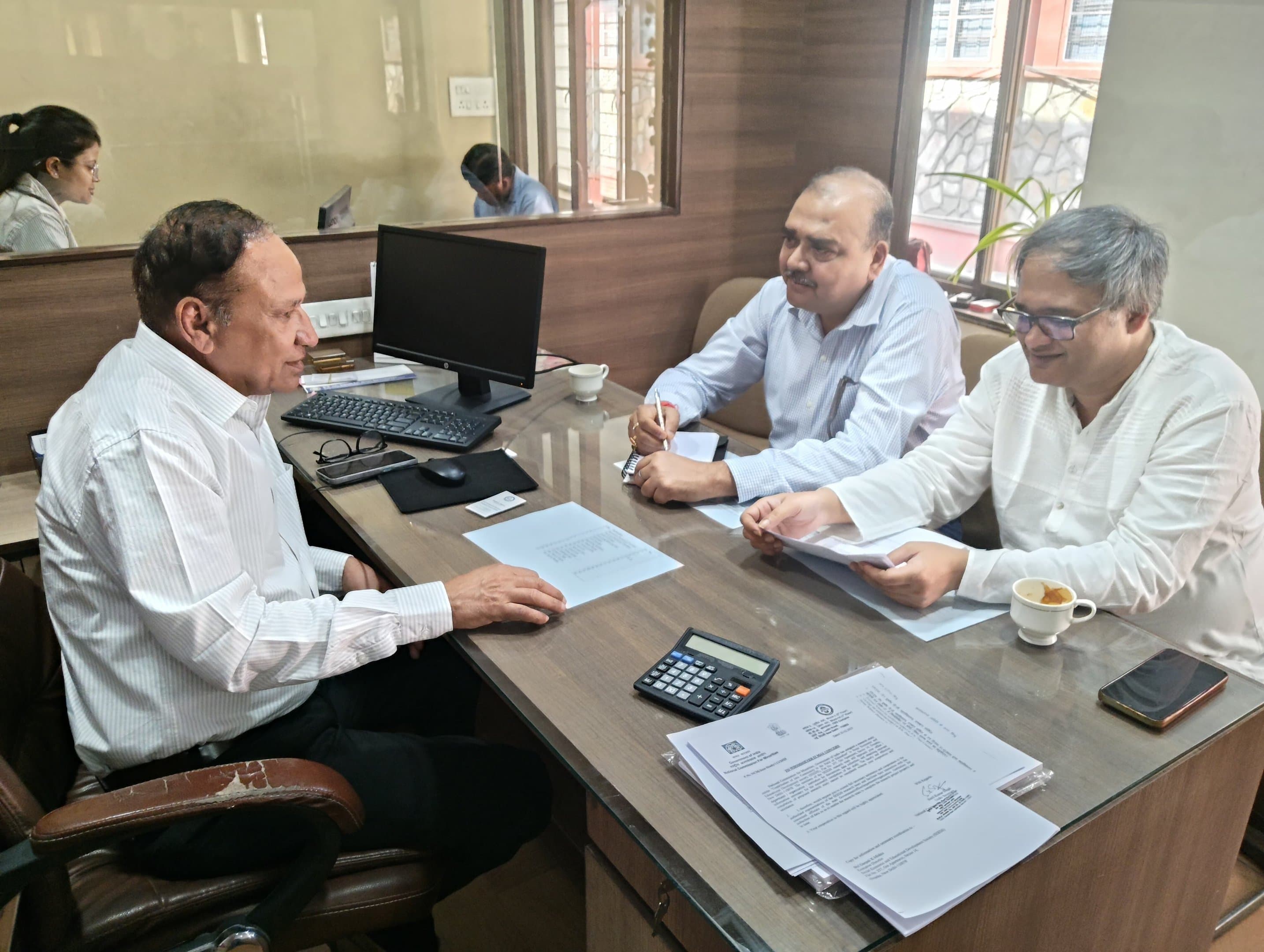
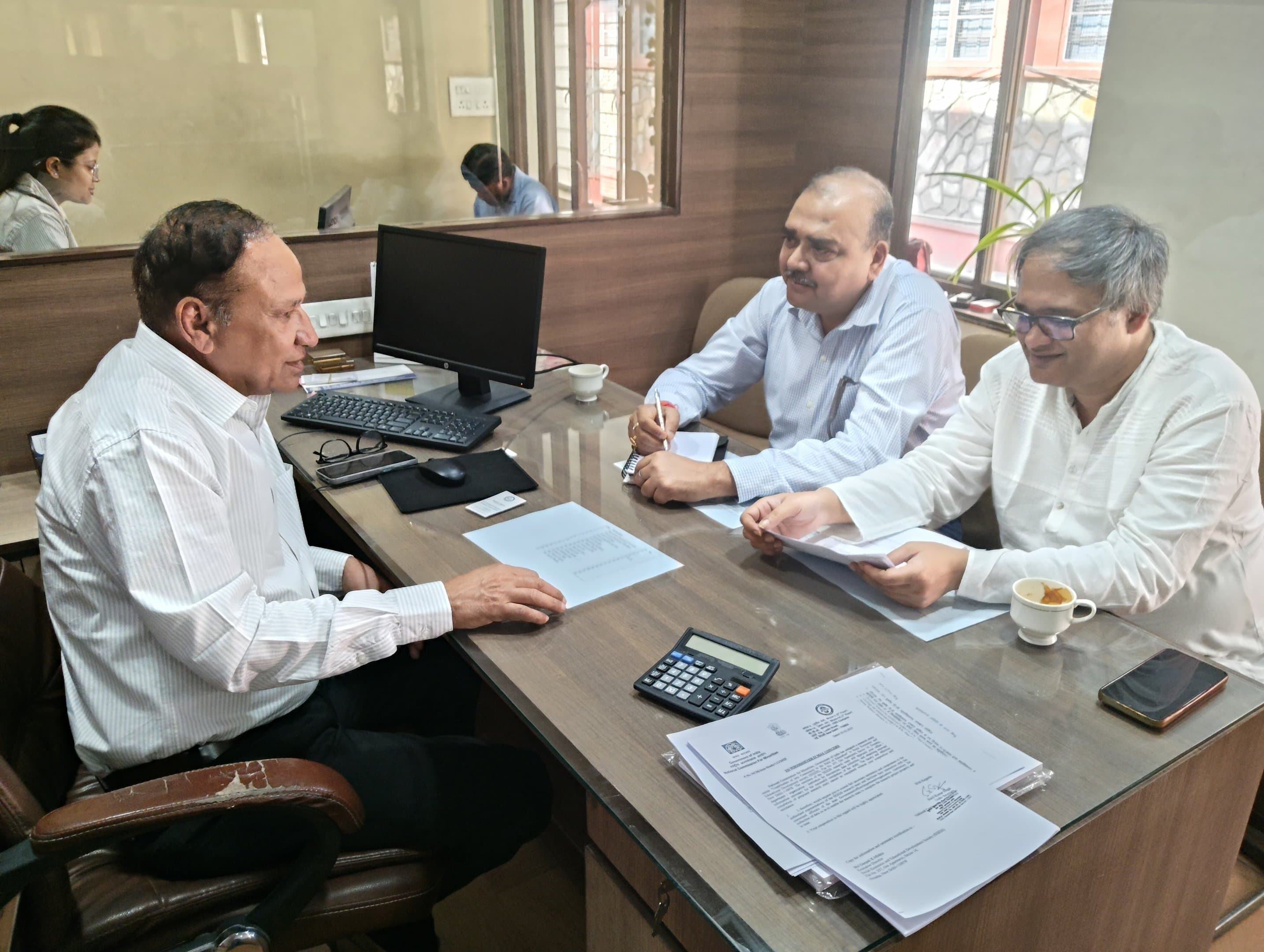
Social-sector team reviewing data, workflows and digital systems

Human-Centred Design

Technology should reduce friction without removing accountability

Automation with Controls

Automate routine work. Preserve judgement and exceptions.

A well-designed workflow defines what the system may do, what requires human review, how exceptions are handled and who remains accountable for the outcome.

Map the existing process and root cause first

Standardise only what should be consistent

Retain human approval for consequential outputs

Create audit trails, alerts and exception pathways

Test with real users before broader deployment

Measure adoption, errors, value and unintended effects

When to Engage

Signs your data or digital system needs redesign

Teams spend substantial time cleaning, copying or reconciling the same data for different reports.

Dashboards exist but are not linked to recurring management decisions.

Different programmes use inconsistent definitions, tools or identifiers.

Leadership wants to adopt AI but has not defined priority use cases, risks or governance.

Staff are using public AI tools informally with sensitive organisational or participant information.

Reporting depends on manual spreadsheets, document copying and repeated quality checks.

Important knowledge is difficult to find because it is distributed across files, emails and individuals.

A digital transformation initiative is being driven by software features rather than user needs and programme outcomes.

Typical Engagement Outputs

Practical outputs for decisions, systems and adoption

Deliverables are selected around the use case, existing systems, data sensitivity, implementation capacity and maintenance model.

Data and digital-readiness diagnostic
Data strategy
AI-readiness assessment
Prioritised use-case portfolio
Data-governance framework
Data dictionary and ownership matrix
Dashboard and MIS requirements
Indicator and data-model design
Programme analytics report
Workflow and automation map
Automation specifications or prototypes
Responsible-AI policy framework
AI risk and impact assessment
Human-oversight and review protocol
Reporting-automation workflow
Knowledge-repository architecture
Digital adoption and training plan
SOPs, guides and management briefings

Frequently Asked Questions

Data, AI and automation for nonprofits

What does a data and AI consultant do for an NGO?

A data and AI consultant helps an NGO identify important decisions and operational problems, assess data and system readiness, improve data quality, design dashboards or workflows, evaluate appropriate AI use cases and establish governance, human oversight and adoption processes.

Should a nonprofit start with AI or with data quality?

Most organisations should begin with the decision, workflow and data foundation. AI cannot reliably compensate for unclear indicators, inconsistent records, weak ownership or poor-quality data. Some language-based use cases can start earlier, but they still require controlled inputs, verification and governance.

What is an AI-readiness assessment?

An AI-readiness assessment examines organisational goals, candidate use cases, data, technology, skills, processes, governance, privacy, risk, adoption and the expected value of AI compared with conventional automation or process improvement.

How can NGOs use AI responsibly?

Responsible use begins with a legitimate purpose, proportionate data use, privacy protection, human oversight, testing, transparency, inclusion, security, documented accountability and ongoing monitoring for errors or harms.

What is the difference between automation and AI?

Conventional automation follows defined rules and is well suited to repetitive, predictable workflows. AI can support tasks involving language, classification, prediction or pattern recognition but may introduce uncertainty and additional governance requirements. Many organisational problems need automation rather than AI.

Can Tridifa build dashboards and MIS systems?

Tridifa can support requirements, indicator architecture, data models, dashboard design, prototypes, implementation coordination and management adoption. The final technical approach and platform depend on the scope, existing systems, hosting, security and maintenance requirements.

Can reporting be automated?

Parts of reporting can often be automated, including data consolidation, calculations, charts, template population, reminders and review routing. Interpretation, validation, sensitive narratives and final accountability should remain under appropriate human control.

Can AI be used for research and evaluation?

AI can assist with evidence discovery, document classification, transcription, coding support, summarisation and drafting. Researchers must still protect data, verify outputs, document methods, manage bias and retain responsibility for interpretation, citations and conclusions.

How do you protect sensitive programme or participant data?

The approach may include data minimisation, access controls, approved tools, secure storage, de-identification, retention rules, vendor assessment, human review and restrictions on placing confidential information into public AI systems.

Do you recommend a specific AI or automation platform?

Platform selection follows the use case, data sensitivity, integration needs, cost, hosting, skills, support and long-term maintainability. Tridifa’s role is to define the requirements and help select a proportionate solution rather than force one platform onto every organisation.

How is the success of an AI or automation project measured?

Success should be assessed through outcomes such as time saved, error reduction, adoption, decision quality, service improvement, cost, risk, user experience and unintended effects—not merely whether a tool was launched.

Which social-sector functions can benefit from data and automation?

Common areas include MERL, programme management, fundraising, grant tracking, CSR portfolio oversight, research, knowledge management, reporting, administration, service delivery and leadership decision support.
Responsible-AI References

Official frameworks for trustworthy adoption

Governance should be adapted to the organisation and use case, while drawing on established principles and risk-management frameworks.

Start with One Valuable Use Case

Turn data and technology into practical organisational value

Tell us where information is fragmented, which process is slowing teams down or where AI is being considered. We will help define a proportionate, responsible next step.

Start a digital transformation conversation