
Climate Change · Adaptation · Resilience

Climate Change & Resilience Consultants in India

Assess climate risk, design adaptation programmes, strengthen resilient livelihoods, prepare climate-finance pathways and build evidence systems that support communities and institutions.

Designed forNGOs & nonprofitsCSR teams & foundationsDevelopment programmesLocal institutionsClimate & social enterprises

Climate + Development

Climate risk reshapes health, livelihoods, water, ecosystems and public systems

Climate change does not operate as a separate sector. It changes the conditions under which development programmes, communities, institutions and markets must function.

Tridifa helps organisations connect climate evidence with local vulnerability, programme choices, implementation capacity, equity, finance and learning—so climate action becomes part of development practice rather than an isolated label.

Local risk before generic action
Adaptation connected to development
Equity built into design
Learning built into implementation

Climate Change Consulting Services

Advisory support across risk, resilience, finance and evidence

Engage Tridifa for a comprehensive climate assignment or a focused requirement around vulnerability, adaptation, livelihoods, nature-based solutions, climate finance or MERL.

01

Climate Risk & Vulnerability Assessment

Assess exposure, sensitivity, adaptive capacity, affected systems and distributional risks across communities, programmes, assets, livelihoods and geographies.

  • Climate-risk and vulnerability framework
  • Evidence, stakeholder and geographic analysis
  • Prioritised risk and adaptation recommendations
02

Climate Adaptation & Resilience Strategy

Translate climate risks into practical resilience priorities, interventions, institutional responsibilities and implementation pathways.

  • Adaptation and resilience strategy
  • Priority intervention portfolio
  • Implementation and learning roadmap
03

Climate Action & Programme Design

Design programmes that connect climate evidence, target populations, delivery models, partnerships, outcomes, risks and long-term sustainability.

  • Climate-programme design document
  • Theory of Change and results framework
  • Implementation, risk and sustainability plan
04

Nature-Based Solutions & Ecosystem Resilience

Assess where ecosystem protection, restoration and sustainable natural-resource management can reduce climate risk and support community resilience.

  • Nature-based-solutions opportunity assessment
  • Ecosystem and stakeholder pathway
  • Implementation, safeguards and monitoring plan
05

Climate-Resilient Livelihoods

Strengthen livelihood, enterprise, value-chain and market strategies for households and communities facing climate variability and shocks.

  • Livelihood vulnerability and market assessment
  • Resilience and diversification strategy
  • Enterprise, partnership and outcome framework
06

Heat, Disaster Risk & Preparedness

Support heat-risk, hazard, preparedness, continuity, community communication and institutional coordination planning within programme scope.

  • Risk and preparedness assessment
  • Action, communication and coordination framework
  • Monitoring and review protocol
07

Climate Research & Evidence Synthesis

Generate and consolidate evidence on climate risks, community experience, adaptation practice, institutional systems, policy and implementation.

  • Research or evidence-review protocol
  • Primary and secondary evidence synthesis
  • Decision-ready findings and recommendations
08

Climate MERL & Adaptation Measurement

Develop climate-sensitive theories of change, indicators, baselines, monitoring systems and evaluations that capture resilience and adaptation progress.

  • Climate MERL framework
  • Indicators, baselines and data sources
  • Evaluation and learning roadmap
09

Climate Finance & Fundraising Readiness

Strengthen the programme logic, evidence, costs, safeguards, implementation capacity and documentation required for climate-finance engagement.

  • Finance-readiness diagnostic
  • Fundable-programme and evidence framework
  • Funding and partner-engagement roadmap
10

Climate Justice, Equity & Participation

Examine who faces climate risk, who benefits from proposed action and how voice, gender, livelihoods and social vulnerability shape outcomes.

  • Equity and stakeholder analysis
  • Participation and inclusion framework
  • Distributional-risk and safeguard recommendations
11

Institutional Capacity & Convergence

Strengthen roles, governance, partnerships, workplans, data systems and coordination across climate, development and disaster-management actors.

  • Institutional and capability assessment
  • Convergence and governance architecture
  • Capacity-building and implementation plan
12

Climate Knowledge, Policy & Reporting

Translate climate evidence into policy briefs, programme reports, case studies, investment narratives, learning products and stakeholder communication.

  • Policy, technical or programme brief
  • Climate impact or learning report
  • Knowledge-product and dissemination plan

Tridifa Climate-Resilience Lens

Examine climate risk as a connected social and institutional system

Climate exposure alone does not determine vulnerability. The analysis must also consider sensitivity, adaptive capacity, equity, systems, safeguards, finance and evidence.

01

Hazard & Exposure

Which climate-related hazards matter, where and when exposure occurs, and which people, ecosystems, services or assets are affected.

02

Sensitivity

How strongly livelihoods, health, water, agriculture, infrastructure, services and ecosystems may be affected by exposure.

03

Adaptive Capacity

The resources, knowledge, institutions, networks, technologies and choices available to anticipate, cope, recover and adapt.

04

Equity & Distribution

How risk and benefits differ across gender, income, age, disability, occupation, geography and other relevant groups.

05

Systems & Interdependence

How climate impacts move across water, food, health, livelihoods, ecosystems, infrastructure, migration and public systems.

06

Feasibility & Safeguards

Whether proposed actions are technically, institutionally, socially and financially feasible and whether they create new risks.

07

Finance & Sustainability

Which resources, partnerships, operating costs and long-term ownership are required to maintain resilience outcomes.

08

Evidence & Learning

How uncertainty, baselines, indicators, monitoring, evaluation and local knowledge will guide adaptation over time.

Climate Programme Lifecycle

Treat adaptation as an ongoing learning process

Climate conditions, institutions and livelihoods change. Programmes therefore need evidence, review and adaptation throughout design, implementation and scale.

  1. 01

    Understand Risk & Context

    Review climate evidence, development conditions, stakeholders, systems, hazards, exposure and existing responses.

  2. 02

    Prioritise

    Identify the most material and urgent risks using vulnerability, equity, feasibility and stakeholder evidence.

  3. 03

    Co-Design Action

    Develop interventions with communities, institutions, programme teams and technical stakeholders.

  4. 04

    Prepare Delivery

    Define roles, workplans, finance, safeguards, partnerships, data, communication and quality controls.

  5. 05

    Implement & Coordinate

    Support delivery, convergence, field learning, issue resolution and adaptive management across partners.

  6. 06

    Monitor Resilience

    Track implementation, reach, equity, capacities, behaviours, systems and context-sensitive resilience outcomes.

  7. 07

    Evaluate & Adapt

    Assess what worked, for whom, under which conditions and how the programme or strategy should change.

  8. 08

    Scale & Institutionalise

    Strengthen policy alignment, local ownership, financing, capability and integration into ongoing development systems.

Programme Applications

Cross-cutting support across climate and development priorities

Scope and specialist composition are matched to the geography, ecosystem, community, programme and technical question.

Climate adaptation and resilienceHeat-risk and heat-action planningWater security and drought resilienceClimate-resilient agricultureClimate-resilient livelihoodsCoastal and ecosystem resilienceNature-based solutionsUrban climate resilienceClimate and public healthDisaster-risk reduction and preparednessClimate justice and gender-responsive actionClimate finance and programme readiness

Climate Programme Decisions

Match the advisory response to the climate and development decision

Climate problems that appear similar may require very different responses depending on vulnerability, systems, finance and local capacities.

Climate programme situations, advisory focus and decision use
SituationAdvisory FocusDecision Use
A programme operates in climate-vulnerable communities but has no explicit climate-risk analysis.Hazard, exposure, vulnerability, livelihoods, services, institutions, equity and existing coping strategies.Identify which programme assumptions and interventions require redesign.
An organisation wants to develop a climate-adaptation programme.Risk assessment, stakeholder consultation, adaptation options, Theory of Change, safeguards, indicators and financing.Define a credible, fundable and implementable programme.
A livelihood programme is experiencing climate-related disruption.Income and asset exposure, market systems, seasonality, diversification, finance, natural resources and social protection.Strengthen household and system resilience rather than short-term coping alone.
A city, district or institution is preparing for extreme heat.Heat-risk groups, services, communication, worker and community protection, coordination, data and review mechanisms.Develop a practical preparedness and action framework within the assignment scope.
A nature-based solution is proposed as the primary response.Ecosystem condition, climate-risk pathway, communities, tenure and governance, trade-offs, safeguards and monitoring.Determine whether the intervention is appropriate and how benefits and risks should be managed.
A funder needs evidence on adaptation or resilience outcomes.Theory of Change, baseline, indicators, contribution, context, equity, learning and limitations.Strengthen accountability and future programme or portfolio decisions.
A climate proposal is technically strong but institutionally weak.Delivery capability, governance, partnerships, finance, safeguards, data, procurement and long-term ownership.Close readiness gaps before submission or implementation.
Multiple climate and development actors are working in the same geography.Actor and programme mapping, convergence, roles, shared evidence, coordination and decision forums.Reduce duplication and build a coherent local resilience pathway.
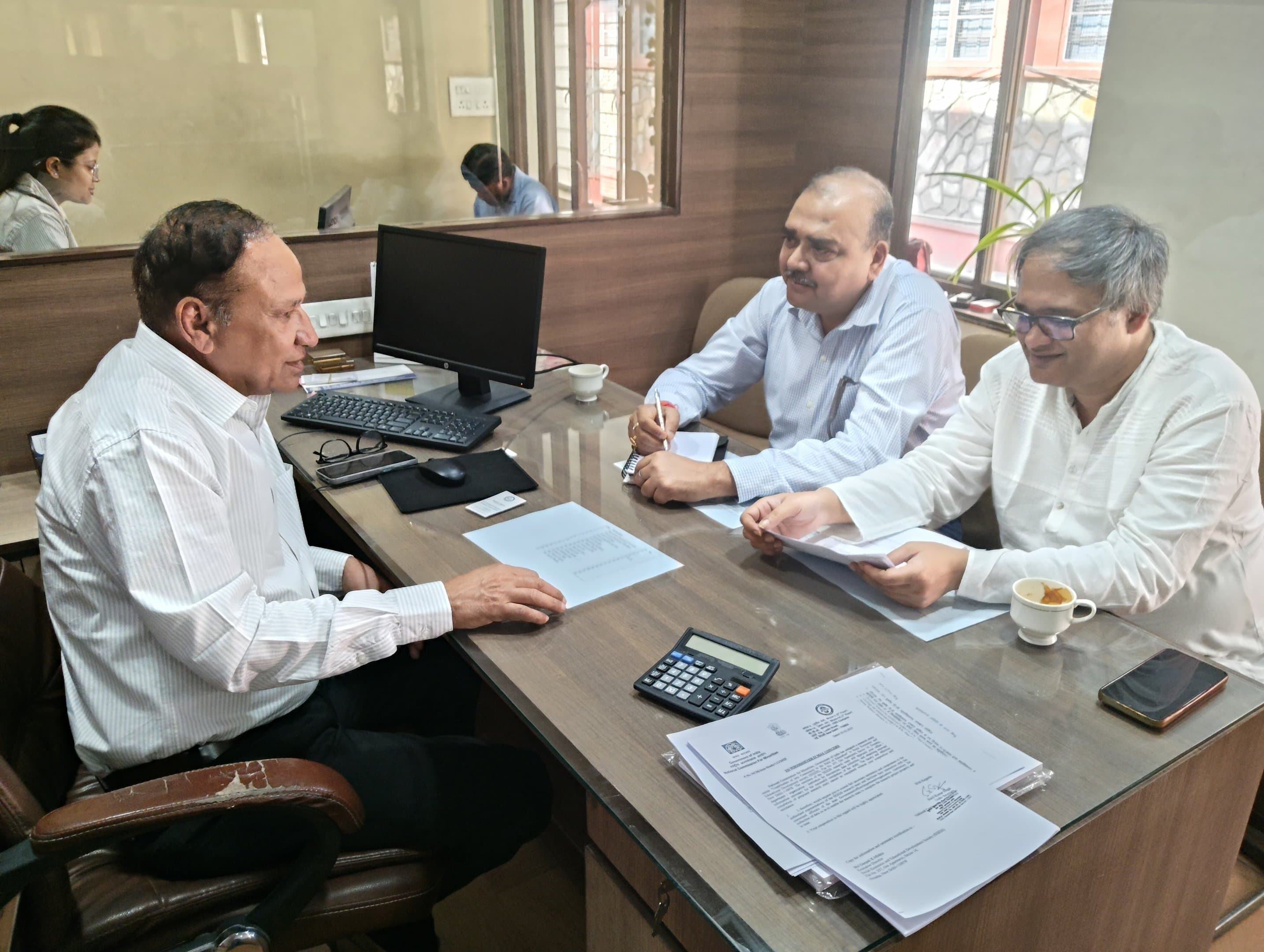
Community and programme stakeholders reviewing climate-risk and livelihood evidence

Climate-Resilient Development

Resilience depends on choices, systems and resources—not exposure alone

Adaptation & Livelihoods

Strengthen the capacities that help people anticipate and adapt

Short-term coping may protect households during one shock while weakening assets or increasing future vulnerability. Adaptation strategies should examine livelihoods, services, institutions, ecosystems, finance and social protection together.

Local climate and livelihood-risk evidence

Income, asset and market diversification

Water, ecosystem and natural-resource systems

Information, skills and collective institutions

Finance, insurance and social-protection pathways

Indicators that track capacity and vulnerability

Climate Finance Readiness

Funding readiness begins with a credible climate and delivery rationale

A strong climate proposal must explain the risk, affected population or system, additional value of the intervention, implementation capability, safeguards, evidence, costs and long-term ownership.

Climate rationale and evidence
Defined programme and beneficiaries
Implementation and partnership capacity
Costs, finance and use of funds
Safeguards and risk management
Impact, learning and sustainability

When to Engage

Signs your climate programme needs stronger advisory support

Climate change is mentioned in a programme proposal but does not materially influence design, indicators or implementation.

The organisation uses national or global climate evidence without understanding local exposure and vulnerability.

Adaptation activities are being selected before risks, affected groups and existing capacities are assessed.

Resilience is reported through activity counts rather than changes in capacity, systems, vulnerability or outcomes.

Climate finance is being pursued before programme logic, safeguards, delivery capability and evidence are ready.

A proposed solution may shift risk to another community, livelihood, ecosystem or time period.

Climate, disaster, livelihood, health and natural-resource teams work separately despite connected risks.

Leadership needs evidence for programme design, funding, scale, policy engagement or institutional climate strategy.

Typical Engagement Outputs

Practical products for climate programmes and institutions

Deliverables are selected around the geography, affected systems, programme decision, technical scope and long-term ownership required.

Climate-risk and vulnerability assessment
Adaptation and resilience strategy
Climate-action plan
Climate-programme design document
Theory of Change
Nature-based-solutions assessment
Climate-resilient livelihoods strategy
Heat or preparedness framework
Climate research or evidence review
Climate MERL framework
Adaptation indicators and baseline
Climate-finance readiness diagnostic
Fundable-programme concept
Climate-justice and equity analysis
Institutional convergence framework
Capacity-building plan
Policy or technical brief
Scale and institutionalisation roadmap

Frequently Asked Questions

Climate change, adaptation and resilience consulting

What does a climate-change consultant do?

A climate-change consultant helps organisations understand climate risks, assess vulnerability, design adaptation or mitigation programmes, strengthen evidence and institutions, prepare funding strategies and integrate climate considerations into development decisions.

What is the difference between climate adaptation, mitigation and resilience?

Mitigation reduces or avoids greenhouse-gas emissions or enhances removals. Adaptation adjusts systems and decisions in response to actual or expected climate impacts. Resilience is the capacity of people, institutions, ecosystems and systems to anticipate, absorb, recover, adapt and transform while maintaining essential functions.

What is a climate-risk and vulnerability assessment?

It examines relevant hazards, exposure, sensitivity, adaptive capacity, affected populations, systems and uncertainty. The assessment should identify who or what is at risk, why the risk exists and which actions may reduce vulnerability or strengthen resilience.

Can Tridifa design a climate-adaptation programme?

Yes. Support can include risk and vulnerability assessment, stakeholder consultation, intervention design, Theory of Change, implementation arrangements, safeguards, finance readiness, indicators, MERL and sustainability.

What are nature-based solutions?

Nature-based solutions use the protection, sustainable management or restoration of ecosystems to address societal challenges while supporting human well-being, resilience and biodiversity. Their suitability depends on context, governance, communities, safeguards, trade-offs and long-term management.

How can livelihood programmes become climate resilient?

The approach may include climate-risk analysis, income and asset diversification, natural-resource management, market and value-chain changes, financial services, social protection, information, skills, collective institutions and stronger local systems.

What is climate-finance readiness?

Climate-finance readiness means having a credible climate rationale, defined programme, evidence, costs, implementation capacity, governance, safeguards, impact framework, partnerships and documentation appropriate to the target funding route.

How are adaptation and resilience measured?

Measurement may examine changes in exposure, sensitivity, adaptive capacity, preparedness, service continuity, livelihood security, institutional capability, behaviour, ecosystems and outcomes. Indicators should follow the programme Theory of Change and local context rather than rely on one universal resilience metric.

How do you incorporate climate justice?

The approach examines how climate risks and proposed responses affect different groups, who participates in decisions, whose knowledge is recognised, who receives benefits, who carries costs and whether the intervention addresses underlying social and economic vulnerability.

Can Tridifa support climate CSR programmes?

Yes. Tridifa can support climate-risk and needs assessment, programme design, partner assessment, adaptation and livelihood strategies, monitoring, evaluation, impact reporting and sustainability planning for CSR portfolios.

Does Tridifa provide carbon verification or engineering certification?

No. Tridifa provides strategic, programme, research, MERL, finance-readiness, institutional and knowledge advisory. Formal greenhouse-gas verification, assurance, engineering design, technical certification, environmental approvals and legal opinions require appropriately accredited or qualified professionals.

Can Tridifa support climate work at community, programme and institutional levels?

Yes. Assignments can connect community and livelihood evidence, programme design and delivery, organisational systems, partnership governance, policy context, finance readiness and learning across multiple levels.
Current Climate Context

Official Indian, UNFCCC and UNDP resources

Climate strategies, funding proposals and programme designs should be checked against the current national, state, sector, scientific and funding requirements relevant to the assignment.

Build Climate-Resilient Development

Connect climate risk, community priorities and implementation

Tell us the geography, people, climate risk, programme stage and decision ahead. We will help define a credible and proportionate advisory pathway.

Start a climate advisory conversation