M&E
Monitoring & Evaluation
Tracks implementation and results, then assesses programme performance, outcomes and lessons through periodic evaluation.

Monitoring · Evaluation · Research · Learning
Design evidence systems, measure programme performance, explain what changed and turn findings into better decisions across the development, CSR and social-impact sectors.
Understanding the Terminology
The acronym matters less than whether the system generates credible evidence, supports accountability and helps people make better programme decisions.
M&E
Tracks implementation and results, then assesses programme performance, outcomes and lessons through periodic evaluation.
MEL
Makes learning explicit so evidence is used for adaptation, management decisions and future programme design.
MEAL
Adds a stronger emphasis on accountability, participation, feedback and responsiveness to affected communities and stakeholders.
MERL
Integrates programme monitoring and evaluation with targeted research that addresses evidence gaps and strategic questions.
MERL & Evaluation Services
Engage Tridifa for an integrated MERL assignment or for a specific study, framework, monitoring requirement or evaluation.
Design an organisation-wide or programme-level system that connects decisions, indicators, data sources, responsibilities, reporting and learning.
Clarify how activities are expected to contribute to outputs, outcomes and impact, including assumptions, risks and measurable indicators.
Establish starting conditions, examine progress during implementation and assess final outcomes using consistent, decision-relevant measures.
Assess implementation quality, programme reach, outcome achievement, causal contribution and sustainability using an appropriate evaluation design.
Provide objective field verification, implementation-quality review, beneficiary feedback and risk intelligence for funders and programme managers.
Improve indicator definitions, data-collection tools, validation processes, dashboards and management-information flows.
Combine surveys, interviews, focus groups, observation, participatory approaches and document review to explain both what changed and why.
Assess causal effects through randomised or credible comparison-group designs when programme conditions, ethics, data and feasibility support them.
Examine efficiency, cost-effectiveness, cost–benefit, value for money or social return using methods suited to the programme and decision.
Turn monitoring and evaluation findings into management decisions, learning agendas, reflection processes and usable knowledge products.
Strengthen teams and partners through practical coaching, workshops, templates and support for applying methods in real programme settings.
Convert complex evidence into technically credible, accessible reports for management, Boards, donors, communities and public audiences.
Evaluation Criteria
The six OECD DAC criteria provide a useful reference, but they should be applied thoughtfully rather than treated as a mandatory checklist for every evaluation.
01
Is the intervention responding to the right needs, priorities and context?
02
How well does the intervention fit with other policies, programmes and stakeholder efforts?
03
Is the intervention achieving its intended objectives and results?
04
How well are resources, time and delivery systems being converted into results?
05
What significant positive or negative changes are associated with the intervention?
06
Are benefits and capabilities likely to continue after direct support changes or ends?
Question-Led Design
Methodological rigour does not mean using the most complex design. It means selecting the most credible and feasible approach for the decision, programme logic, ethics, data and context.
Routine monitoring, coverage analysis, field verification and beneficiary records
Process evaluation, observation, implementation review and stakeholder interviews
Baseline–midline–endline studies, longitudinal tracking and outcome evaluation
Experimental or quasi-experimental impact evaluation where a credible counterfactual is feasible
Theory-based evaluation, contribution analysis, qualitative research and outcome harvesting
Disaggregated analysis, equity assessment, qualitative inquiry and subgroup analysis
Cost-effectiveness, cost–benefit, SROI and value-for-money analysis
Sustainability assessment, systems analysis, scalability review and stakeholder validation
Tridifa Evaluation Process
The process is designed backwards from the decision, then built forward through programme logic, methods, fieldwork, analysis and use.
Clarify who will use the evidence, which decision it must inform and what is already known.
Review the Theory of Change, assumptions, context, implementation model and intended results.
Choose methods proportionate to the evaluation questions, stage, ethics, data, resources and feasibility.
Develop the evaluation matrix, indicators, tools, sampling, analysis plan and quality controls.
Train teams, pilot instruments, gather data and monitor completeness, consistency and field ethics.
Integrate quantitative, qualitative, documentary and monitoring evidence to test explanations.
Validate findings, examine alternative explanations and connect evidence to programme context.
Translate findings into practical actions, learning products, management decisions and follow-up.
Programme Measurement Points
The studies should be planned as a coherent measurement sequence where comparison is required. Timing, indicators, sampling and tools need to support the intended analysis.
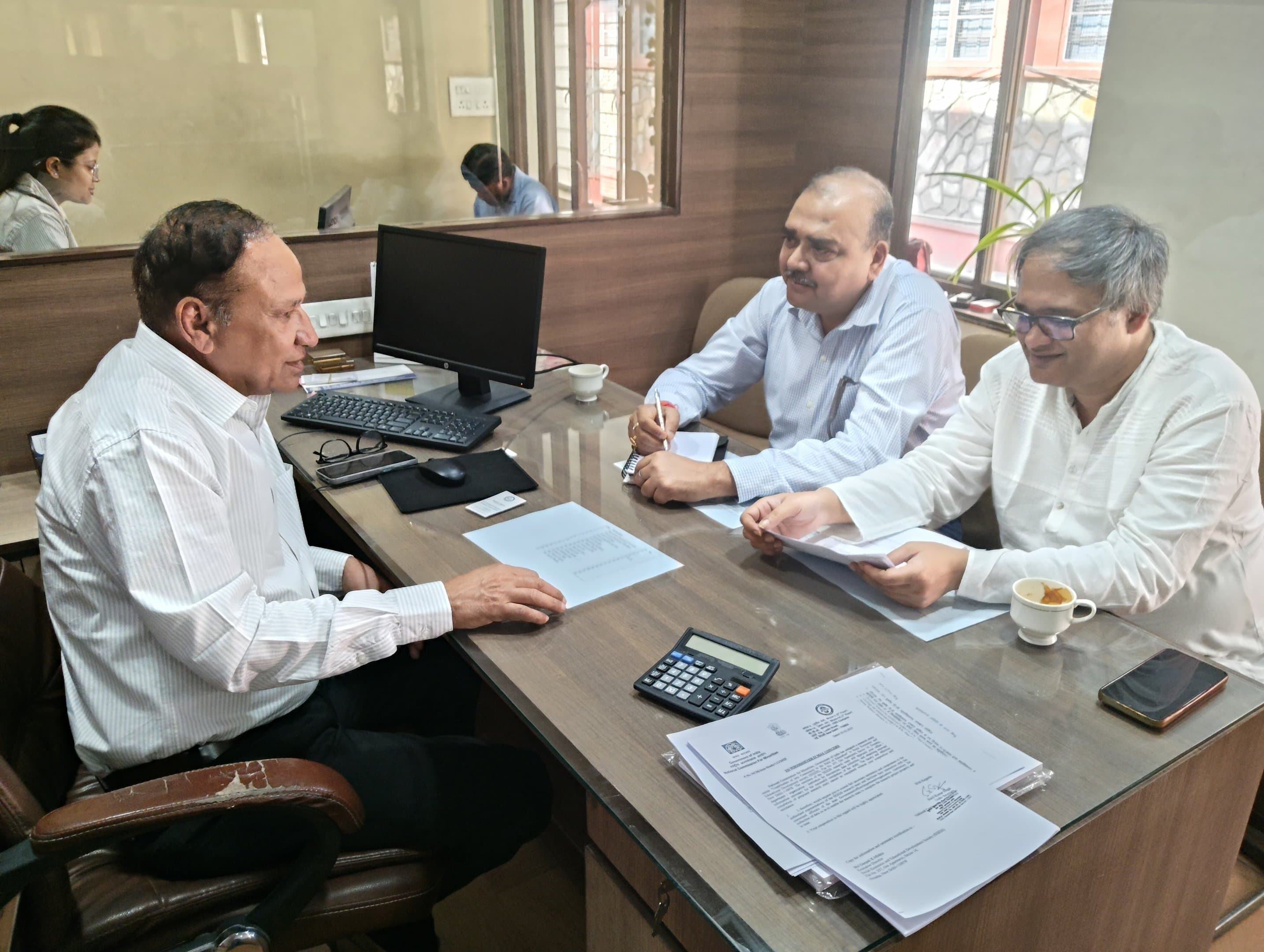
Comparable Evidence
A survey becomes useful when it is designed around the programme decision and analysis
| Stage | Primary Purpose | Typical Use |
|---|---|---|
| Baseline | Establish the initial situation before or near the start of implementation. | Needs, starting values, target setting, group characteristics and future comparison. |
| Midline | Assess progress, implementation and emerging outcomes while adaptation is still possible. | Course correction, delivery review, early outcome trends and revised assumptions. |
| Endline | Assess final status and change at the end of the programme or measurement period. | Outcome achievement, comparison with baseline, lessons and future programming. |
| Follow-up | Examine whether outcomes and behaviours continue after programme support changes. | Sustainability, durability, longer-term effects and scale or replication decisions. |
Methods Toolkit
Assignments may combine multiple methods to improve explanation, triangulation and confidence in the findings.
When to Engage
Your programme has large amounts of data but limited decision-ready insight.
Indicators track activities and outputs but do not explain outcomes or programme quality.
The Theory of Change exists only for donor compliance and is not guiding implementation.
Partners use inconsistent tools, definitions or reporting practices.
Leadership cannot confidently explain what changed, for whom or why.
A funder, CSR committee or Board requires independent monitoring or evaluation.
The programme is preparing for scale, redesign, continuation or a new funding phase.
You need stronger causal, economic or sustainability evidence than routine monitoring provides.
Sector Applications
Tridifa combines cross-cutting evaluation practice with sector-specific outcomes, implementation pathways, risks and data environments.
Health access, service quality, community programmes, prevention, digital health and health-systems strengthening.
Explore sectorAdaptation, resilience, vulnerability, climate-linked livelihoods and systems-level change.
Explore sectorSocial performance, sustainability outcomes, stakeholder value and responsible-business programmes.
Explore sectorTraining quality, employability, placement, retention, income and labour-market outcomes.
Explore sectorIncome, enterprise, production, market linkages, resilience and women’s economic empowerment.
Explore sectorAccess, functionality, service quality, behaviour change, inclusion and sustainability.
Explore sectorTypical Engagement Outputs
Deliverables are selected around the programme, intended users and decisions—not copied from a standard evaluation template.
Frequently Asked Questions
MERL stands for Monitoring, Evaluation, Research and Learning. It combines routine performance monitoring, periodic evaluation, targeted research and structured learning so organisations can understand implementation, assess results, address evidence gaps and improve decisions.
M&E focuses on monitoring and evaluation. MEL makes learning explicit. MEAL commonly adds accountability to communities and stakeholders. MERL commonly identifies research as a distinct evidence function. Organisations use these terms differently, so the system should be designed around the decisions, responsibilities and evidence actually required.
Monitoring is continuous or periodic tracking of implementation, participation, expenditure, outputs, risks and selected outcomes. Evaluation is a systematic assessment conducted at defined points to answer deeper questions about relevance, coherence, effectiveness, efficiency, impact, sustainability or other decision priorities.
A Theory of Change explains how and why programme activities are expected to contribute to a sequence of results. It identifies causal pathways, assumptions, contextual factors and evidence gaps, and can guide programme design, monitoring and evaluation.
A baseline establishes starting conditions. A midline examines implementation and emerging change while adaptation is still possible. An endline assesses final status and change at the end of the programme or measurement period. Comparable indicators and methods are important when results are intended to be compared over time.
A randomised controlled trial may be appropriate when causal attribution is a priority, eligible units can be assigned fairly, randomisation is operationally and ethically acceptable, spillovers can be managed and sufficient sample size, time and resources are available. It is not automatically the best design for every programme.
Outcome evaluation examines whether intended outcomes occurred and how implementation contributed to them. Impact evaluation usually asks a stronger causal question about the change attributable to an intervention, often requiring a credible counterfactual or another robust approach to causal inference.
Social Return on Investment estimates social value relative to investment using monetised values and stakeholder-informed outcomes. Cost-effectiveness analysis compares costs with a defined non-monetary outcome. Cost–benefit analysis expresses both costs and benefits in monetary terms. The suitable method depends on the decision, evidence and valuation assumptions.
Yes. Independent monitoring can include field verification, beneficiary feedback, implementation-quality review, data validation, risk identification, corrective-action tracking and periodic reporting to programme managers, funders or governance bodies.
Tridifa supports MERL and evaluation across health and public health, climate change, ESG and sustainability, skill development, livelihoods and market systems, and water, sanitation and hygiene.
The methodology is selected from the evaluation questions, intended users, programme logic, implementation stage, ethics, available data, feasibility, time and resources. Rigour means using the most credible design for the decision—not automatically choosing the most complex method.
Related Capabilities
Primary and secondary research, socioeconomic studies, evidence synthesis and independent assessments.
Explore serviceCSR programme design, monitoring, partner assessment, impact evaluation and reporting.
Explore serviceData strategy, dashboards, programme analytics, reporting automation and responsible AI.
Explore serviceLearning agendas, evidence products, case studies, technical reports and institutional knowledge systems.
Explore serviceBuild a Stronger Evidence System
Tell us what your programme needs to understand, which decisions are approaching and what evidence already exists. We will help define a credible and proportionate MERL pathway with our expert panel of consultants.
Start a MERL conversation