
Health & Public Health Advisory

Public Health & Health Systems Consultants in India

Strengthen health programmes, service-delivery systems, research, MERL, digital health, workforce capability and institutional coordination across public-health and social-impact initiatives.

Designed forNGOs & nonprofitsCSR teams & foundationsGovernment-linked programmesDevelopment agenciesHealth & social enterprises

Health as a System

Health outcomes depend on more than a single service or intervention

Health programmes operate through connected systems of people, facilities, communities, referrals, data, financing, supplies, policies and partnerships. A weakness in one part can limit the value created by the rest.

Tridifa helps organisations understand those connections, strengthen programme and institutional design, build evidence systems and support implementation from community-level access through management and policy decisions.

People-centred design
Equity and access
Continuity across services
Evidence for adaptation

Health-Sector Consulting Services

Advisory support across health systems, programmes and evidence

Engage Tridifa for a comprehensive health-sector assignment or a focused requirement around programme design, research, MERL, digital systems, workforce, quality or implementation.

01

Health Systems Strategy & Strengthening

Assess governance, service delivery, workforce, information, financing, community systems and implementation constraints to define practical strengthening priorities.

  • Health-system diagnostic
  • Strengthening strategy and roadmap
  • Governance and implementation framework
02

Public Health Programme Design

Translate health needs, population evidence and implementation realities into coherent programme models with clear pathways, outcomes and operating plans.

  • Programme design document
  • Theory of Change and results framework
  • Implementation, risk and sustainability plan
03

Primary, Community & Last-Mile Health

Design and strengthen community-based, primary-care and referral pathways that improve reach, continuity, participation and access for underserved groups.

  • Community and service-delivery model
  • Referral and continuity-of-care pathway
  • Frontline implementation tools
04

Health Needs Assessment & Research

Generate evidence on health needs, care-seeking, service access, barriers, stakeholder experience, delivery systems and local health contexts.

  • Research or needs-assessment protocol
  • Primary and secondary evidence
  • Findings, interpretation and recommendations
05

Health MERL & Programme Evaluation

Design monitoring, evaluation, research and learning systems for health programmes, including baselines, implementation studies and outcome or impact evaluation.

  • MERL and indicator framework
  • Monitoring, baseline or evaluation study
  • Learning and management-action plan
06

Disease & Population Programme Advisory

Support programme strategy and evidence across communicable diseases, noncommunicable diseases, RMNCAH+N, nutrition, mental health and other priority populations.

  • Programme and population analysis
  • Intervention and stakeholder strategy
  • Implementation and evidence roadmap
07

Digital Health, Data & MIS

Define user needs, data flows, dashboards, digital workflows, interoperability considerations and responsible data use for health programmes.

  • Digital and data-readiness assessment
  • MIS, dashboard or workflow requirements
  • Governance, adoption and quality protocols
08

Health Workforce & Capacity Strengthening

Assess roles, skills, deployment, supervision, training systems, workload and performance support across programme and frontline teams.

  • Workforce and capability assessment
  • Training and supportive-supervision design
  • Role, workflow and performance tools
09

Quality Improvement & Service Experience

Examine service processes, access, responsiveness, patient or participant experience, referral completion, quality gaps and corrective actions.

  • Quality and experience assessment
  • Process and service-improvement plan
  • Quality indicators and review mechanism
10

Health Partnerships, Convergence & PMU Support

Coordinate multi-stakeholder health programmes across government, NGOs, funders, facilities, technical partners and community institutions.

  • Partnership and convergence architecture
  • PMU structure, workplan and trackers
  • Governance, escalation and review rhythm
11

Health Financing & Sustainability Strategy

Examine programme costs, funding pathways, financial access, resource use and sustainability options for health services and social-impact models.

  • Cost and funding analysis
  • Financing or sustainability options
  • Resource-mobilisation and transition roadmap
12

Health Policy, Knowledge & Reporting

Translate health evidence into policy briefs, technical reports, programme documentation, case studies, management notes and stakeholder communication.

  • Policy or technical brief
  • Programme, evaluation or impact report
  • Knowledge products and dissemination plan

Tridifa Health-System Lens

Examine the connected capabilities behind health outcomes

The lens combines core health-system functions with community, equity and resilience so assignments do not treat service delivery as an isolated technical process.

01

Governance & Stewardship

Policy alignment, institutional roles, accountability, regulation, coordination and decision-making across the health system.

02

Service Delivery

Access, continuity, referral, quality, integration and responsiveness across community, primary, secondary and tertiary care.

03

Health Workforce

Roles, skills, availability, deployment, supervision, motivation, workload and team-based service delivery.

04

Health Information

Indicators, data quality, surveillance, reporting, digital systems, analysis and evidence use for management decisions.

05

Medicines, Diagnostics & Technology

Availability, access, use, quality systems, supply pathways, diagnostics and appropriate health technologies.

06

Financing & Financial Protection

Funding flows, resource allocation, programme costs, financial barriers, sustainability and protection from hardship.

07

Community, Equity & Participation

Community voice, social determinants, inclusion, gender, trust, access barriers and who may be left behind.

08

Preparedness & Resilience

Continuity, surveillance, coordination, workforce readiness and the capacity to respond to shocks and public-health threats.

Health Programme Lifecycle

Connect design, delivery, learning and institutionalisation

Health programmes become stronger when evidence and implementation learning shape every stage rather than appearing only at the end.

  1. 01

    Understand Need & Context

    Review disease burden, population needs, services, barriers, stakeholders, policies and existing evidence.

  2. 02

    Design the Intervention

    Define the programme logic, target population, service model, partnerships, workforce, indicators and risks.

  3. 03

    Prepare for Delivery

    Establish workplans, roles, training, tools, referrals, data systems, governance and quality controls.

  4. 04

    Implement & Support

    Track delivery, solve operational issues, coordinate partners and strengthen frontline and management capability.

  5. 05

    Monitor & Learn

    Review reach, quality, equity, continuity, outcomes, costs, risks and community or service-provider feedback.

  6. 06

    Evaluate & Adapt

    Assess performance and outcomes, interpret findings, improve the model and inform continuation or redesign.

  7. 07

    Scale or Integrate

    Examine system readiness, government convergence, partnerships, financing, workforce and quality requirements.

  8. 08

    Sustain & Institutionalise

    Strengthen ownership, financing, policy alignment, data systems, local capability and long-term accountability.

Programme Applications

Cross-cutting advisory across priority health areas

Assignment scope and technical team composition are matched to the programme, population, geography and specialist expertise required.

Primary health care and universal health coverageCommunity health and last-mile accessMaternal, newborn, child and adolescent healthNutrition and anaemia programmesCommunicable-disease programmesNoncommunicable diseasesMental health and psychosocial supportHealth promotion and behaviour changeDiagnostics and referral systemsDigital health and health information systemsHealth workforce and frontline systemsEmergency preparedness and resilient health systems

Health Programme Decisions

Match the advisory work to the programme decision

Similar health challenges may require different research, programme, systems or evaluation responses depending on the underlying cause.

Health programme situations, advisory focus and decision use
SituationAdvisory FocusDecision Use
A new community-health programme is being designed.Needs assessment, service model, Theory of Change, frontline roles, referral pathways, indicators and sustainability.Define a credible and implementable programme before funding or launch.
People are reached but do not complete referral or treatment pathways.Journey mapping, barriers, referral systems, follow-up, provider coordination, data and participant experience.Improve continuity, linkage, retention and service completion.
A health programme is preparing for geographic expansion.Scale-readiness, workforce, facility and partner capacity, adaptation, costs, data and quality systems.Choose where, how and under which conditions to scale.
Monitoring shows activity but limited outcome evidence.Theory of Change, outcome indicators, baseline or evaluation design, data quality and evidence-use systems.Understand whether the programme is contributing to meaningful change.
A digital-health tool is being considered or piloted.User need, workflow fit, data governance, interoperability, adoption, accessibility and evaluation.Decide whether the technology improves care or programme performance.
Multiple partners are delivering one health initiative.Governance, roles, PMU design, standards, shared indicators, referral coordination and escalation.Create consistent delivery and accountable partnership management.
A funder or CSR team needs independent health-programme evidence.Needs assessment, partner review, third-party monitoring, evaluation, value, equity and reporting.Strengthen funding, portfolio and programme decisions.
A programme must transition into government or local systems.Policy alignment, institutional ownership, workforce, financing, data integration and phased transition.Protect continuity and sustainability beyond project funding.
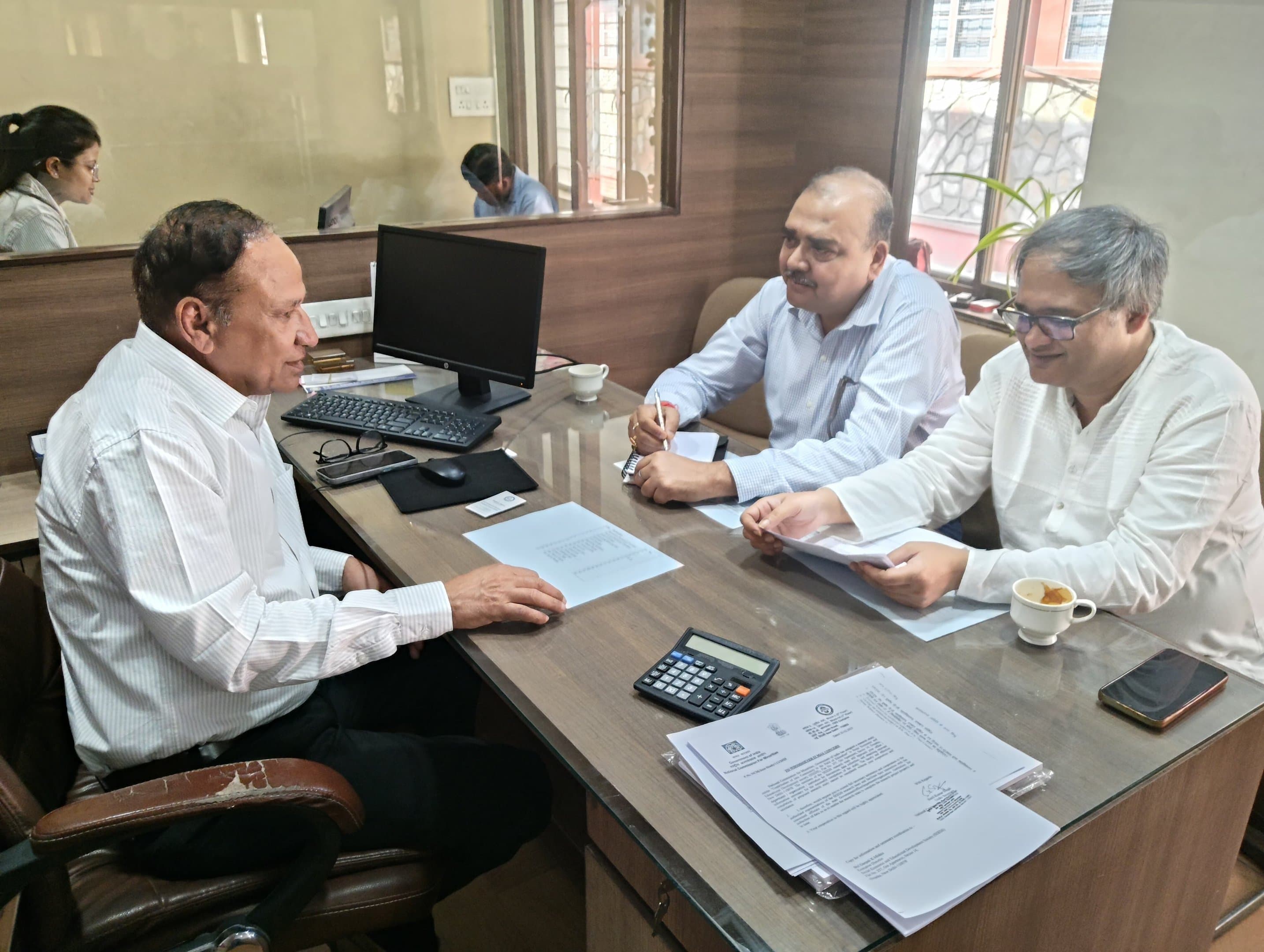
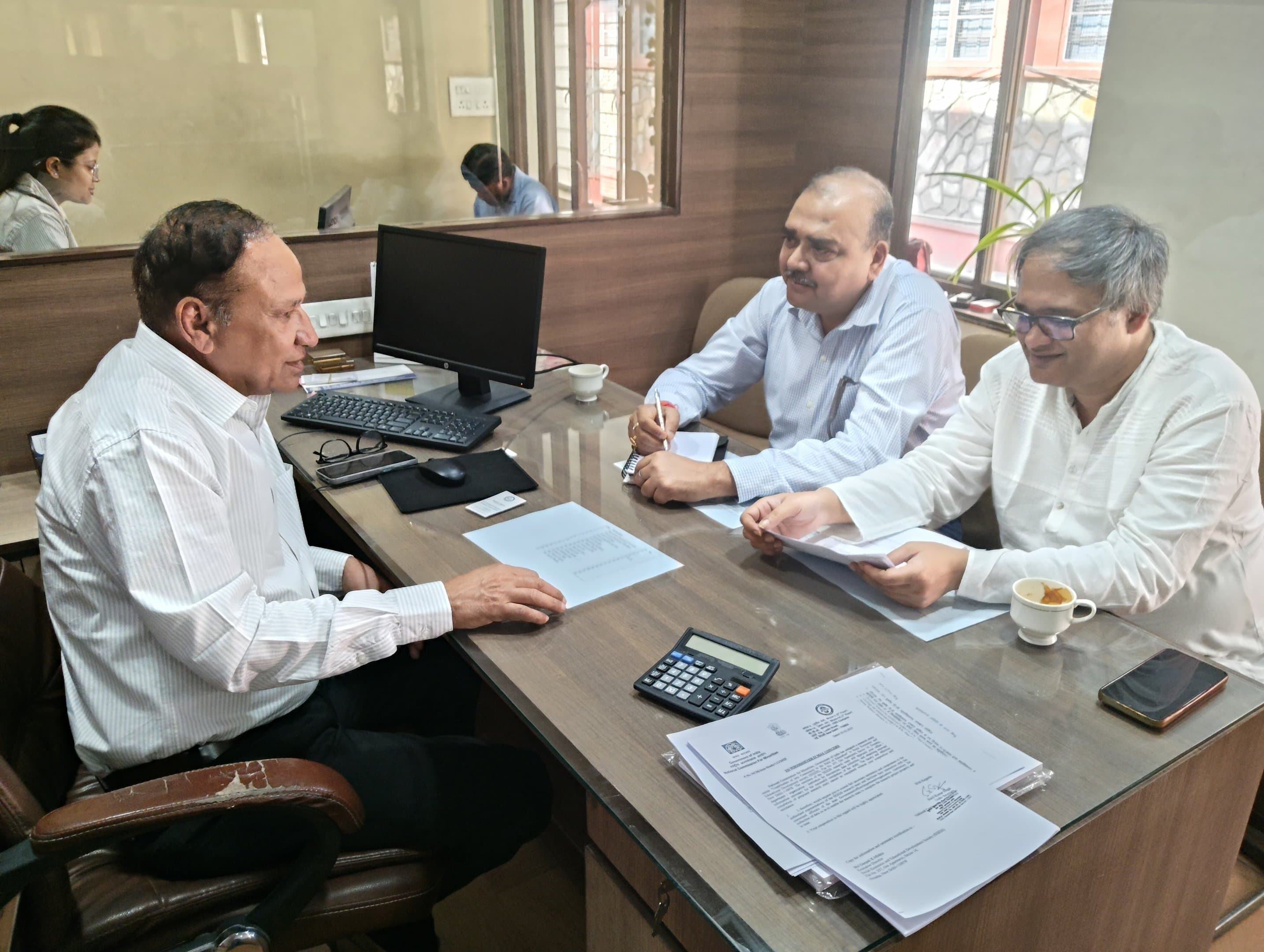
Community and programme stakeholders reviewing primary-health and referral pathways

Continuum of Care

Access matters only when people can move through a reliable service pathway

Primary & Community Health

Design around access, continuity and community trust

Community mobilisation, screening or outreach should connect to diagnosis, treatment, referral, follow-up and prevention. The programme must make responsibilities and handoffs visible across people, facilities and partners.

Defined target populations and access barriers

Clear service, referral and follow-up pathways

Frontline roles, supervision and decision support

Community participation and feedback

Data that tracks continuity—not only outreach

Quality, equity and sustainability built into review

Digital Health & Data

Digital systems should strengthen care and programme decisions

Technology should fit the health workflow, data environment, users and institutional responsibilities. It should not create duplicate records, unmanaged privacy risk or additional burden for frontline teams.

User and workflow research
Data standards and ownership
MIS and dashboard requirements
Privacy and responsible data use
Interoperability considerations
Adoption and outcome evaluation

When to Engage

Signs your health programme needs stronger advisory support

The programme design focuses on activities without a clear service or health-outcome pathway.

Community reach is reported, but access, completion, quality or equity remain unclear.

Referrals, follow-up and continuity of care depend on informal relationships rather than reliable systems.

Different partners use inconsistent indicators, tools, definitions or reporting practices.

A digital-health initiative is being driven by features rather than clinical and programme workflows.

Leadership needs evidence for scale, redesign, funding, government convergence or policy engagement.

Frontline teams require stronger roles, training, supervision or decision support.

Health findings exist across reports and datasets but are not converted into practical programme decisions.

Typical Engagement Outputs

Practical products for health programmes and systems

Deliverables are selected around the population, programme decision, technical scope, implementation context and specialist expertise required.

Health-system diagnostic
Public-health strategy
Health-programme design document
Theory of Change
Service-delivery and referral model
Community-health implementation plan
Health needs assessment
Baseline or evaluation study
MERL and indicator framework
Digital-health or MIS requirements
Health-workforce assessment
Training and supervision framework
Quality-improvement plan
PMU and partnership framework
Health-financing or sustainability analysis
Policy brief
Technical or impact report
Scale-up and institutionalisation roadmap

Frequently Asked Questions

Public health and health-systems consulting

What does a public health consultant do?

A public health consultant helps organisations understand population health needs, design and strengthen programmes, improve implementation, develop evidence systems, evaluate outcomes, coordinate stakeholders and translate findings into policy or management decisions.

What is health-systems strengthening?

Health-systems strengthening improves the functions and relationships required to deliver accessible, equitable, quality and sustainable health services. It can involve governance, service delivery, workforce, information, medicines and diagnostics, financing, community participation and preparedness.

Who can use Tridifa’s health-sector consulting services?

Services are designed for NGOs, foundations, CSR teams, development agencies, social enterprises, research institutions, health programmes, consortiums and organisations working with government or community health systems.

Can Tridifa design a community or public-health programme?

Yes. Support can include needs assessment, target-population analysis, intervention design, Theory of Change, service and referral pathways, workforce roles, partnerships, workplans, risks, sustainability and MERL.

Can Tridifa evaluate health programmes?

Yes. Health evaluation support can include baseline, midline and endline studies, process evaluation, outcome evaluation, implementation research, third-party monitoring, mixed-method assessment and impact evaluation where the design is feasible.

What health research services does Tridifa provide?

Health research may include needs assessments, community and household studies, care-seeking and barrier research, service mapping, stakeholder research, feasibility studies, implementation research, policy analysis, evidence synthesis and health-system assessments.

Can Tridifa support digital-health projects?

Yes. Tridifa can support user and workflow research, digital readiness, programme requirements, data governance, indicators, MIS and dashboard design, adoption, implementation planning and evaluation. Platform-specific engineering scope is defined separately.

How do you incorporate health equity?

The approach can include disaggregated data, underserved-population analysis, affordability and access barriers, gender and social determinants, geographic differences, community participation, accessibility and examination of who may be excluded from services or digital systems.

Can Tridifa support health workforce and frontline teams?

Yes. Support may include workforce and role assessment, training needs, supportive supervision, workload and workflow analysis, job aids, performance systems and capacity building for programme and frontline teams.

Can health consulting support CSR programmes?

Yes. Tridifa can support CSR health needs assessment, programme design, implementation-partner assessment, monitoring, evaluation, digital and data systems, impact reporting and sustainability planning.

Does Tridifa provide clinical advice or medical treatment?

No. Tridifa provides strategic, programme, research, MERL, data, implementation and institutional advisory. Medical diagnosis, treatment, prescribing, clinical protocols requiring licensed authority and patient-specific decisions must remain with qualified health professionals and competent institutions.

Does Tridifa provide statutory health-regulatory approvals?

No. Tridifa can support programme readiness, documentation, evidence and coordination. Statutory approvals, clinical certification, ethics approvals, legal opinions, licensing and regulated professional functions must be handled by the relevant authorities and appropriately qualified experts.
Current Health-System Context

Official Indian and WHO health resources

Programme design should be checked against current national, state, technical, digital-health and regulatory requirements relevant to the assignment.

Strengthen the Health Programme

Connect community need, service delivery and evidence

Tell us the health challenge, population, geography, programme stage and decision ahead. We will help define a credible, proportionate advisory pathway.

Start a health advisory conversation