
Research · Evidence · Impact Assessment

Research & Impact Assessment Consultants in India

Generate credible evidence on needs, systems, programmes, stakeholders and social change—then convert that evidence into clearer strategy, stronger design and better decisions.

Designed forNGOs & nonprofitsCSR teams & foundationsGovernment programmesDevelopment agenciesSocial enterprises

Clarifying the Assignment

Research, evaluation and impact assessment answer different questions

The right study begins by defining the decision and evidence gap, not by selecting a familiar label or method.

01

Research

Generates new understanding about people, systems, needs, markets, policies, behaviours or implementation contexts.

Typical use: Used when an organisation needs evidence before designing, investing, entering a market, selecting a strategy or making a policy decision.

02

Evaluation

Systematically assesses a programme, policy or intervention against defined questions, criteria and intended results.

Typical use: Used when stakeholders need to understand relevance, implementation, effectiveness, outcomes, value, impact or sustainability.

03

Impact Assessment

Examines significant positive or negative changes associated with an intervention, investment, programme or organisational activity.

Typical use: Used for accountability, learning, portfolio decisions, reporting, risk management, funding and future programme design.

Research & Impact Assessment Services

Evidence for programme, policy and investment decisions

Engage Tridifa for a complete study or for focused support around research design, fieldwork, analysis, impact assessment, synthesis or reporting.

01

Community Needs & Situational Assessment

Understand needs, vulnerabilities, assets, service gaps, stakeholder priorities and local systems before programme design or investment.

  • Needs-assessment framework
  • Primary and secondary research
  • Prioritised findings and recommendations
02

Socioeconomic & Household Research

Analyse demographic, livelihood, income, service-access, vulnerability and behavioural conditions through household and community-level research.

  • Socioeconomic study design
  • Household survey and qualitative inquiry
  • Disaggregated analysis and report
03

Policy & Institutional Research

Examine policy environments, institutional roles, implementation systems, incentives, governance arrangements and stakeholder perspectives.

  • Policy and institutional mapping
  • Stakeholder and document analysis
  • Policy options and implementation insights
04

Development Market & Landscape Assessment

Map organisations, funders, service providers, initiatives, gaps, trends and partnership opportunities within a sector or geography.

  • Landscape and ecosystem map
  • Market and stakeholder segmentation
  • Opportunity and gap assessment
05

Feasibility & Programme Design Research

Test whether a proposed programme, service, delivery model or expansion pathway is needed, workable, acceptable and sustainable.

  • Feasibility framework
  • Demand, capability and risk analysis
  • Design and implementation recommendations
06

Baseline & Benchmark Studies

Establish starting conditions, comparison values, stakeholder profiles and programme-relevant indicators before implementation or scale-up.

  • Baseline protocol and sampling plan
  • Research tools and fieldwork
  • Baseline database and report
07

Qualitative, Quantitative & Mixed-Method Research

Combine surveys, interviews, focus groups, observation, administrative data and participatory methods to answer complex questions.

  • Integrated research design
  • Data-collection instruments
  • Triangulated analysis and interpretation
08

Stakeholder, Beneficiary & Perception Research

Understand experiences, expectations, barriers, satisfaction, trust, participation and perceived change across stakeholder groups.

  • Stakeholder research framework
  • Perception or beneficiary study
  • Experience and response analysis
09

Implementation & Process Research

Investigate how programmes operate in practice, why implementation varies and which contextual or system factors influence results.

  • Implementation-research protocol
  • Process and pathway analysis
  • Operational learning recommendations
10

Social Impact Assessment

Assess intended and unintended social changes, stakeholder distribution, inclusion, risks, outcomes and sustainability using proportionate methods.

  • Impact-assessment framework
  • Stakeholder and outcome evidence
  • Impact findings and management response
11

Evidence Review & Synthesis

Consolidate research, programme evidence, policy documents and stakeholder knowledge into a reliable synthesis for strategy or programme decisions.

  • Literature and evidence review
  • Evidence-gap and quality assessment
  • Synthesis report or decision brief
12

Research Reporting & Knowledge Products

Translate complex findings into technically credible reports, executive summaries, policy briefs, case studies and stakeholder-ready presentations.

  • Technical research report
  • Executive and policy-facing products
  • Presentation and dissemination materials

Question-Led Research

Choose the design after defining what you need to know

Different questions require different evidence. A credible study may use one method or combine several, depending on the intended decision, context, ethics, existing data and feasibility.

01

What problem exists, for whom and in which context?

Needs assessment, situational analysis, secondary review, stakeholder interviews and community research

02

How large is the need or opportunity?

Household survey, service mapping, administrative data, market sizing and demographic analysis

03

Why are people not accessing or benefiting from services?

Barrier analysis, qualitative inquiry, behavioural research, journey mapping and stakeholder interviews

04

Which programme model is most feasible?

Feasibility study, option appraisal, capability assessment, demand research and risk analysis

05

How is implementation working in practice?

Process research, observation, routine-data review, field inquiry and implementation pathway analysis

06

What changed and who experienced the change?

Outcome study, social impact assessment, longitudinal comparison, mixed methods and disaggregated analysis

07

How does the policy or institutional system shape results?

Policy analysis, institutional mapping, political-economy inquiry and stakeholder network analysis

08

What evidence should guide the next decision?

Evidence synthesis, triangulation, options analysis, scenario assessment and decision-focused reporting

Tridifa Research Process

Start with the decision, then build the evidence

The process protects methodological quality while keeping the final evidence focused on practical use.

  1. 01

    Frame the Decision

    Clarify the decision, intended users, evidence gap, stakeholders, context and boundaries of the study.

  2. 02

    Review Existing Evidence

    Assess available research, programme data, policies, reports and knowledge before generating new data.

  3. 03

    Design the Study

    Develop the questions, methodology, sampling, instruments, ethics, analysis plan and quality controls.

  4. 04

    Pilot & Prepare

    Test tools, train teams, refine procedures and confirm field, data-security and stakeholder protocols.

  5. 05

    Collect & Assure Quality

    Gather evidence while monitoring completeness, consistency, consent, inclusion and field implementation.

  6. 06

    Analyse & Triangulate

    Integrate quantitative, qualitative, documentary and contextual evidence to test patterns and explanations.

  7. 07

    Validate & Interpret

    Examine findings with stakeholders, consider alternative explanations and connect evidence to context.

  8. 08

    Communicate for Use

    Translate findings into reports, briefs, presentations, recommendations and practical decision pathways.

Evidence Quality

Credibility depends on more than sample size

A strong study aligns the question, design, participants, analysis and communication. It is also transparent about assumptions, limitations and uncertainty.

01

Decision-Relevant

Every question and data point should connect to a real programme, policy, investment or management decision.

02

Methodologically Proportionate

The design should be credible for the question without creating unnecessary complexity, burden or cost.

03

Ethical & Inclusive

Consent, privacy, participant protection, accessibility and representation must be considered throughout the study.

04

Context-Sensitive

Interpretation must reflect local systems, power, culture, implementation conditions and stakeholder differences.

05

Triangulated

Important conclusions should draw on multiple sources, methods or perspectives where feasible.

06

Transparent

Methods, assumptions, limitations, uncertainty and evidence quality should be communicated clearly.

07

Disaggregated

Analysis should examine whether needs, access, experience or outcomes differ across relevant groups.

08

Usable

The final products must make the implications, priorities and recommended actions easy to understand.

Methods Toolkit

Methods selected for the question, people and context

Studies may combine primary, secondary, qualitative, quantitative, participatory and institutional evidence.

Household and beneficiary surveysKey-informant interviewsFocus-group discussionsStructured and participant observationCommunity and service mappingStakeholder and network analysisKAP and perception surveysJourney and barrier analysisAdministrative-data analysisPolicy and document reviewLiterature and evidence synthesisParticipatory research methodsCase-study researchPolitical-economy and institutional analysis
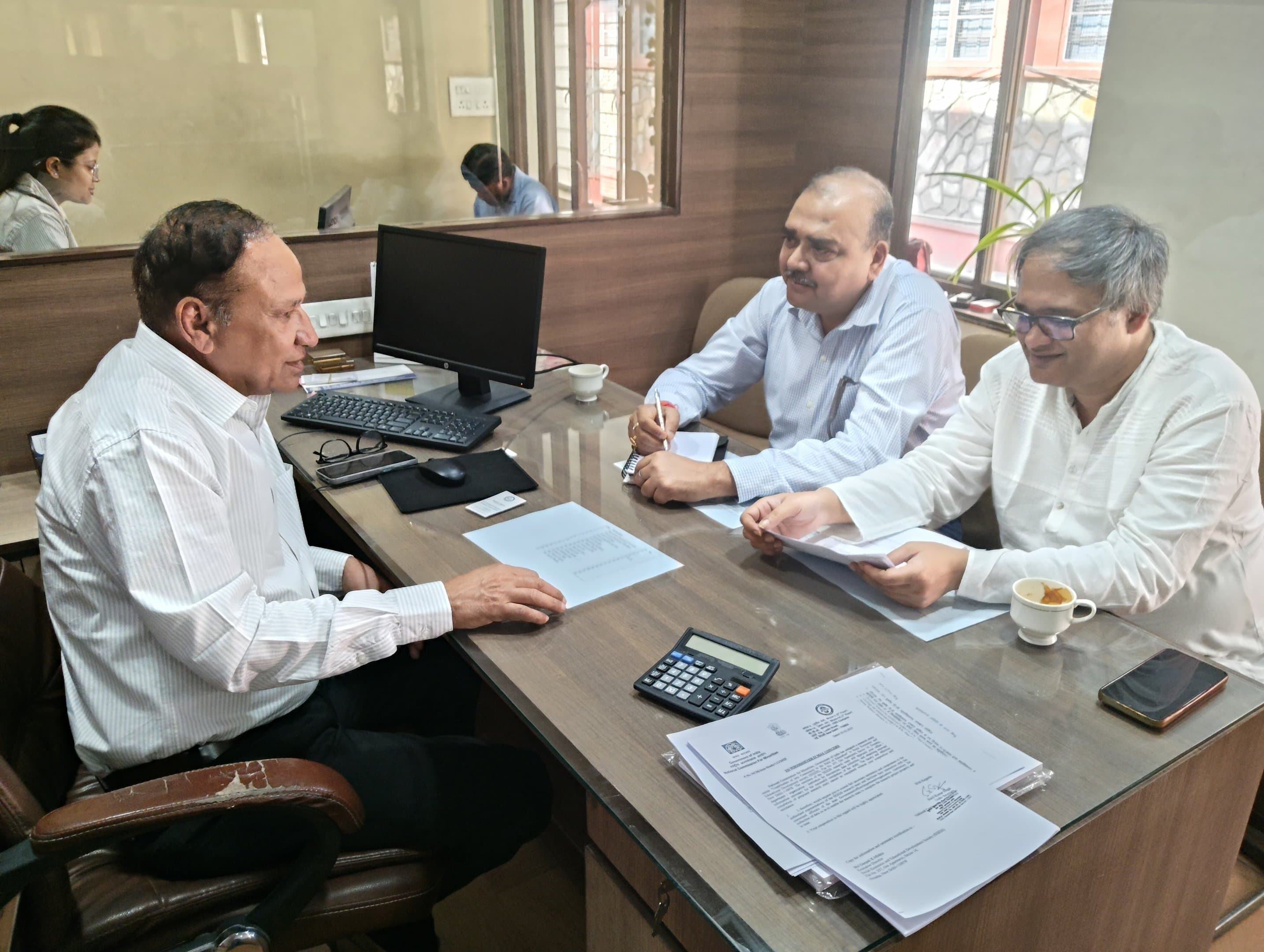
Research team interpreting field evidence for programme and policy decisions

Evidence Use

The research report is not the endpoint—the decision is

Decision-Ready Communication

Translate evidence into choices, priorities and action

Technical credibility matters, but evidence must also be interpretable by the people who will use it. Tridifa separates findings, interpretation, limitations and recommendations so decision-makers can see what the evidence supports.

Clear answer to each research question

Disaggregated findings where differences matter

Alternative explanations and limitations

Implications for programme, policy or investment choices

Prioritised and feasible recommendations

Different products for technical and executive audiences

When to Engage

Signs your organisation needs stronger research evidence

A programme is being designed before the needs, barriers or service landscape are adequately understood.

Leadership is relying on assumptions or anecdotal evidence for a major strategic decision.

Existing reports contain data but do not provide a coherent interpretation or decision pathway.

The organisation is entering a new geography, sector, stakeholder group or service model.

Different stakeholders disagree about the nature or scale of the problem.

A donor, CSR committee or Board requires an independent impact or socioeconomic assessment.

The programme needs stronger evidence on implementation, beneficiary experience or unintended effects.

A policy brief, investment case, programme design or scale-up decision requires credible synthesis.

Typical Engagement Outputs

Research products designed for technical credibility and use

Deliverables are selected around the research question, audience, decision, data environment and ethical requirements.

Research protocol
Research questions and analytical framework
Sampling strategy
Survey and qualitative instruments
Fieldwork and quality-assurance plan
Cleaned and documented dataset
Needs-assessment report
Socioeconomic study
Landscape or market assessment
Feasibility study
Baseline report
Stakeholder or perception study
Implementation-research report
Social impact assessment
Policy and institutional analysis
Evidence-synthesis report
Executive summary or policy brief
Management presentation and action recommendations

Frequently Asked Questions

Social research and impact assessment

What is the difference between research, evaluation and impact assessment?

Research generates new knowledge about a question or context. Evaluation systematically assesses a programme, policy or intervention against defined questions or criteria. Impact assessment focuses on significant positive or negative changes associated with an intervention, investment or activity. A single assignment may combine elements of all three.

What does a social research consultant do?

A social research consultant helps define research questions, review evidence, design methods, develop tools, conduct or oversee fieldwork, analyse qualitative and quantitative data, interpret findings and communicate implications for programmes, policy or investment decisions.

What is included in a community needs assessment?

A needs assessment may examine population characteristics, vulnerabilities, services, barriers, assets, stakeholder priorities, existing initiatives, system gaps and local capacities. Methods can include secondary review, surveys, interviews, focus groups, observation and mapping.

What is a socioeconomic study?

A socioeconomic study examines social and economic conditions such as demographics, income, livelihoods, employment, education, health, assets, vulnerability, service access and community systems. The exact scope depends on the programme or decision.

When should an organisation conduct a feasibility study?

A feasibility study is useful before launching, expanding or significantly redesigning a programme, service or enterprise model. It examines need, demand, delivery capability, stakeholder acceptance, costs, risks, operational requirements and sustainability.

What is mixed-method research?

Mixed-method research intentionally combines quantitative and qualitative evidence. Quantitative methods can estimate scale, frequency or patterns, while qualitative methods help explain experiences, mechanisms, context and meaning.

How do you determine sample size?

Sample size depends on the study objective, population, design, expected variability, precision, subgroup analysis, statistical power, clustering, non-response, resources and field feasibility. It should be justified by the intended analysis rather than selected as a standard percentage.

What should a social impact assessment include?

A social impact assessment should define the intervention and stakeholders, identify intended and unintended changes, examine distribution across groups, assess evidence and contribution, consider risks and sustainability, document limitations and provide practical management recommendations.

Can Tridifa conduct primary field research?

Yes. Depending on the assignment and geography, Tridifa can design and coordinate surveys, interviews, focus groups, observation, participatory methods and other forms of primary field research with appropriate quality, ethics and data-management controls.

Can research be conducted using existing data only?

Yes. Some decisions can be supported through secondary research, administrative-data analysis, document review, evidence synthesis and expert or stakeholder consultation. New primary data should be collected only when existing evidence cannot answer the question credibly.

How are research ethics and participant confidentiality handled?

The approach should be proportionate to the study and may include informed consent, privacy safeguards, data minimisation, secure storage, anonymisation, participant protection, referral protocols and ethics-review requirements where applicable.

Which sectors does Tridifa support for research and impact assessment?

Tridifa supports research and impact assessment across health and public health, climate change, ESG and sustainability, skill development, livelihoods and market systems, and water, sanitation and hygiene.

Build the Evidence Behind the Decision

Ask a clearer question. Generate stronger evidence.

Tell us which decision your organisation is approaching, what is already known and where the evidence gap remains. We will help define a credible and proportionate research pathway.

Start a research conversation