
Water · Sanitation · Hygiene

Water, Sanitation & Hygiene Consultants in India

Strengthen WASH services from source security and water quality to sanitation, hygiene behaviour, institutional functionality, climate resilience and long-term operations.

Designed forNGOs & nonprofitsCSR teams & foundationsGovernment-linked programmesSchools & health facilitiesCommunity institutions

Beyond Infrastructure

WASH outcomes depend on functioning services—not assets alone

A tap, toilet or handwashing station creates value only when it remains safe, usable, inclusive, maintained and connected to accountable institutions and sustainable water and waste systems.

Tridifa helps organisations examine the complete service pathway: access, functionality, quality, behaviour, sanitation chains, community participation, operations, finance, climate risk and long-term ownership.

Functionality beyond construction
Safety across the service chain
Behaviour with enabling conditions
Sustainability through accountable systems

WASH Consulting Services

Advisory support across water, sanitation, hygiene and systems

Engage Tridifa for a comprehensive WASH assignment or focused support around water quality, sanitation, behaviour, institutions, climate resilience, research, MERL or implementation.

01

WASH Systems Strategy & Sector Assessment

Assess water, sanitation and hygiene services as connected systems of infrastructure, behaviour, institutions, finance, operations, equity and public-health outcomes.

  • WASH system and service assessment
  • Priority-gap and stakeholder analysis
  • Strategy, governance and implementation roadmap
02

Rural Water Supply & Source Sustainability

Strengthen programme strategy around service access, source security, community institutions, functionality, operations, maintenance and long-term water availability.

  • Water-supply and source-risk assessment
  • Service-sustainability strategy
  • Institutional, O&M and monitoring framework
03

Water Quality Monitoring & Safety

Design programme systems for water-quality risk assessment, surveillance, testing workflows, community communication, corrective action and source-to-user safety.

  • Water-quality monitoring framework
  • Testing, escalation and response workflow
  • Community communication and evidence plan
04

Sanitation, ODF Sustainability & Service Chains

Assess sanitation access, consistent use, containment, emptying, transport, treatment, disposal or reuse, behaviour and institutional accountability.

  • Sanitation and service-chain assessment
  • ODF-sustainability and improvement strategy
  • Operations, behaviour and monitoring plan
05

Solid, Liquid & Greywater Management

Support programme and institutional planning for household and community waste segregation, collection, treatment, greywater management and service sustainability.

  • Solid and liquid waste-system assessment
  • Service and institutional model
  • Implementation, behaviour and monitoring roadmap
06

Hygiene Behaviour Change & Community Engagement

Develop evidence-led behaviour-change strategies around hand hygiene, sanitation use, safe water handling, menstrual health, household practices and community norms.

  • Behavioural and community diagnostic
  • Behaviour-change and communication strategy
  • Participation, feedback and outcome framework
07

WASH in Schools, Anganwadis & Institutions

Assess and strengthen service functionality, accessibility, operations, menstrual-health support, hygiene routines, management and accountability in institutions.

  • Institutional WASH assessment
  • Functionality and improvement plan
  • Operations, inclusion and monitoring tools
08

WASH in Health-Care Facilities

Support risk-based improvement across water, sanitation, hand hygiene, environmental cleaning, health-care waste, operations and quality-management systems.

  • Health-facility WASH assessment
  • Risk-prioritised improvement roadmap
  • Quality, monitoring and management framework
09

Inclusive, Gender-Responsive & Dignified WASH

Examine access, safety, privacy, affordability, disability inclusion, menstrual-health needs, participation and barriers affecting underserved groups.

  • Equity, gender and accessibility assessment
  • Inclusive service and participation framework
  • Safeguard and monitoring recommendations
10

Climate-Resilient WASH & Preparedness

Assess drought, flood, heat, contamination, source stress and service-continuity risks and integrate resilience into programme and institutional planning.

  • Climate and WASH risk assessment
  • Resilience and continuity strategy
  • Preparedness, adaptation and learning plan
11

WASH Research, MERL & Evaluation

Develop needs assessments, baselines, monitoring systems, functionality studies, behaviour research, process evaluation and outcome or impact assessment.

  • WASH research or MERL framework
  • Baseline, monitoring or evaluation study
  • Evidence-use and management-action plan
12

WASH Governance, Data, Finance & PMU Support

Strengthen roles, partner coordination, service data, dashboards, budgets, O&M planning, review systems, capacity and implementation management.

  • Governance, finance and capacity diagnostic
  • PMU, data and review architecture
  • Institutional-strengthening roadmap

Tridifa WASH-Service Lens

Examine quality, behaviour and institutions together

Access figures alone cannot explain whether people receive safe, inclusive and dependable services or whether the system can sustain them.

01

Access & Service Level

Who has access, where the service is located, whether it is affordable, available when needed and appropriate to the setting.

02

Functionality & Reliability

Whether infrastructure and services work consistently, how downtime is handled and whether operations and maintenance are dependable.

03

Water Quality & Safety

Source risks, treatment, testing, surveillance, safe storage, communication, corrective action and protection from catchment to user.

04

Sanitation Service Chain

Access, use, containment, emptying, transport, treatment, disposal or reuse and the risks created at each stage.

05

Hygiene Behaviour & Norms

Knowledge, ability, motivation, social expectations, facilities, supplies and routines that influence sustained hygiene practice.

06

Equity, Dignity & Participation

Gender, disability, age, occupation, income, geography, safety, privacy, menstrual health and whose voice shapes decisions.

07

Climate, Environment & Source Sustainability

Water availability, drought, floods, contamination, recharge, ecosystems, waste impacts, resilience and service continuity.

08

Institutions, Finance & Accountability

Roles, capability, budgets, tariffs or contributions, records, grievance systems, data, public institutions and long-term ownership.

WASH Programme Lifecycle

Connect service design, use, quality and sustainability

Strong programmes monitor what happens after construction and use evidence to improve operations, behaviour and institutional accountability over time.

  1. 01

    Understand Need & Context

    Assess communities, service levels, water sources, sanitation chains, behaviours, institutions, climate risks and existing evidence.

  2. 02

    Prioritise Gaps & Risks

    Identify which failures create the greatest health, dignity, environmental, equity and service-sustainability consequences.

  3. 03

    Co-Design the Service Pathway

    Define appropriate interventions, behaviour strategies, institutional roles, safeguards and expected outcomes with users and stakeholders.

  4. 04

    Prepare Delivery

    Establish workplans, partners, technical inputs, community processes, finance, data, quality controls and escalation.

  5. 05

    Implement & Strengthen Use

    Support infrastructure-linked systems, behaviour, frontline capacity, community participation and operational problem-solving.

  6. 06

    Monitor Functionality & Quality

    Track whether services work, remain safe, are used as intended, include priority groups and receive timely corrective action.

  7. 07

    Evaluate Outcomes & Adapt

    Assess health, behaviour, time, dignity, environment, equity, resilience and institutional outcomes while documenting limitations.

  8. 08

    Institutionalise & Sustain

    Strengthen ownership, O&M, finance, local capability, government convergence, source sustainability and long-term accountability.

Programme Applications

Cross-cutting advisory across community and institutional WASH

Scope and specialist composition are matched to the service, population, geography, institution and technical question.

Rural drinking-water servicesUrban and peri-urban WASHWater-quality monitoring and surveillanceSource sustainability and water securitySanitation and ODF sustainabilityFaecal-sludge and sanitation service-chain assessmentSolid and liquid waste managementGreywater managementWASH in schools and AnganwadisWASH in health-care facilitiesMenstrual health and hygieneClimate-resilient and emergency WASH

WASH Outcome Pathway

Measure whether access becomes safe and sustained service

Each transition can fail independently. Programmes need evidence that shows whether people receive reliable services and whether institutions can protect those gains.

01

Access

Can all intended users reach an appropriate water, sanitation or hygiene service when they need it?

02

Functionality

Does the service work reliably, with supplies, maintenance, management and timely repair?

03

Quality & Safety

Is water safe, sanitation risk controlled and hygiene practice supported without creating new health or environmental hazards?

04

Use

Do people consistently use the service, and which behavioural, social or practical barriers remain?

05

Inclusion & Dignity

Is the service accessible, private, safe, affordable and responsive to gender, disability, age and other needs?

06

Safely Managed Chain

Are water and sanitation risks managed across the complete pathway rather than only at the point of access?

07

Institutional Sustainability

Are roles, finance, data, operations, maintenance, grievance and accountability systems functioning?

08

Resilience & Outcomes

Can services withstand shocks and contribute to sustained health, time, dignity, education and environmental outcomes?

WASH Programme Decisions

Match the advisory response to the real service failure

Weak outcomes may arise from infrastructure, quality, behaviour, maintenance, finance, institutions, climate risk or exclusion.

WASH programme situations, advisory focus and decision use
SituationAdvisory FocusDecision Use
A water-supply programme has expanded access, but service functionality is uncertain.Availability, downtime, source security, water quality, O&M, community institutions, finance, complaints and repair systems.Identify what is required to convert infrastructure access into reliable service.
A sanitation programme reports toilet coverage but inconsistent use or unsafe waste management.Behaviour, accessibility, containment, emptying, transport, treatment, environmental risks and institutional roles.Strengthen sanitation outcomes across the complete service chain.
A village or institution is preparing an ODF-sustainability or ODF Plus pathway.Sustained use, inclusion, solid and liquid waste systems, visual cleanliness, community processes, operations and monitoring.Define a practical improvement and sustainability roadmap.
Water-quality testing exists, but corrective action is inconsistent.Risk mapping, sampling, testing workflow, data ownership, escalation, communication, alternative supply and remediation follow-up.Create an accountable surveillance-to-response system.
School or Anganwadi facilities exist but are not consistently usable.Functionality, water availability, cleaning, supplies, accessibility, menstrual health, roles, budgets and student or staff feedback.Improve daily service quality rather than infrastructure presence alone.
A health facility needs a structured WASH improvement process.Water, sanitation, hand hygiene, environmental cleaning, health-care waste, risks, staff practices, quality systems and management.Prioritise feasible improvements that support safer, higher-quality care.
A WASH programme is exposed to drought, flooding or source contamination.Hazard, source and service vulnerability, continuity, alternative arrangements, community risk, preparedness and adaptation.Build climate resilience and service continuity into programme design.
A funder or CSR team needs credible WASH-programme evidence.Access, functionality, quality, use, inclusion, service chains, behaviour, health contribution, sustainability and value.Strengthen funding, portfolio, programme and scale decisions.
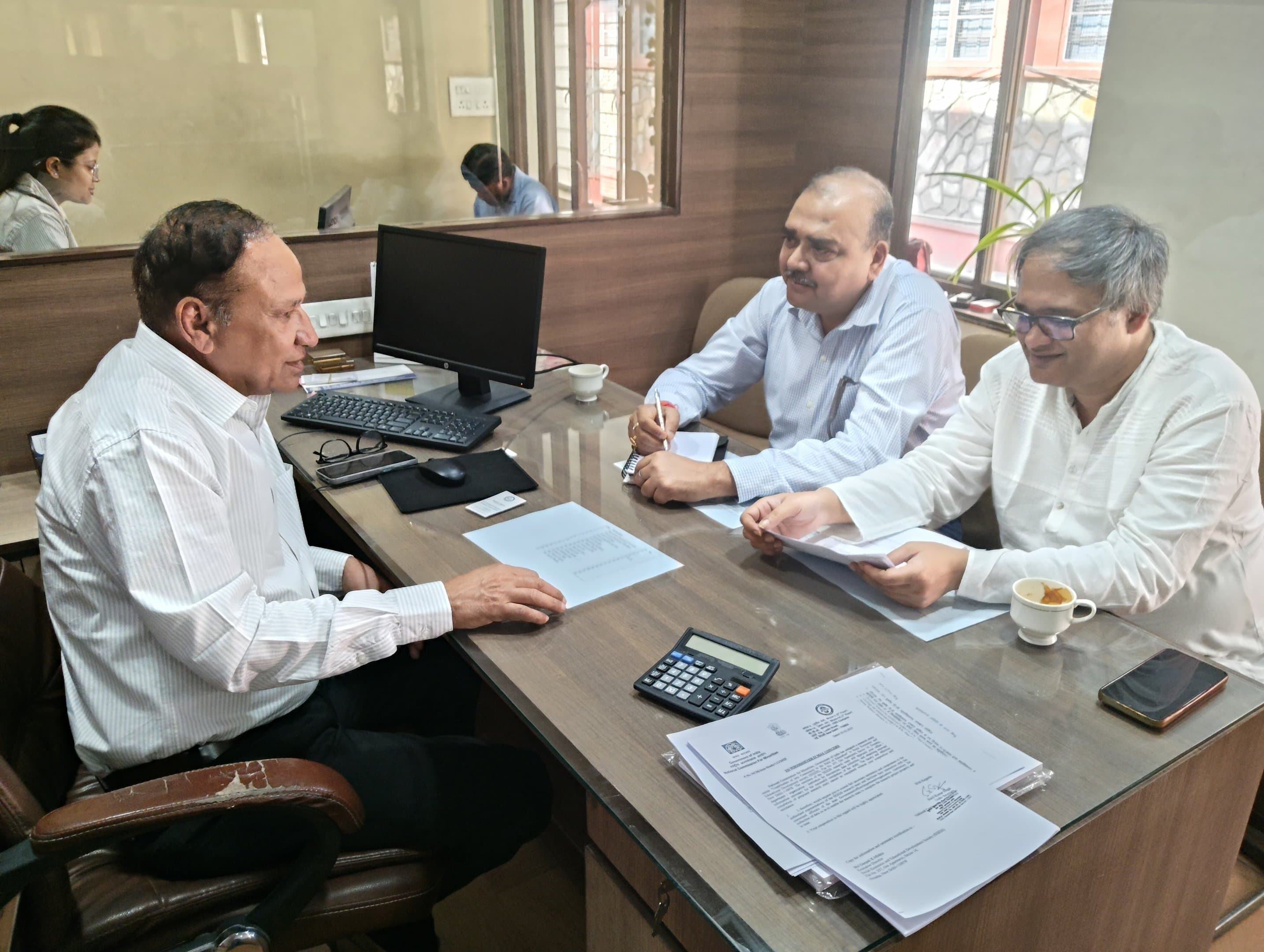
Community and programme teams reviewing WASH functionality, water quality and service evidence

Functionality & Safety

A service is successful only when people can rely on it

Water Quality & Service Reliability

Connect monitoring to corrective action

Testing and functionality data become useful when they trigger clear communication, ownership, response, repair, alternative arrangements and verified closure.

Defined service levels and functionality criteria

Risk-based water-quality monitoring

Clear owners for alerts and corrective action

Community communication and grievance pathways

Repair, alternative supply and follow-up protocols

Evidence that actions restored safe service

Schools & Health-Care Facilities

Assess the daily service—not the facility checklist alone

Institutional WASH requires functioning water and sanitation, hand hygiene, cleaning, waste management, accessibility, supplies, responsible staff, budgets and continuous quality improvement.

Reliable water at points of use
Usable and accessible sanitation
Hand-hygiene facilities and supplies
Cleaning and waste-management systems
Menstrual-health and privacy needs
Management ownership and improvement plans

When to Engage

Signs your WASH programme needs stronger advisory support

Infrastructure completion is reported without consistent evidence on functionality, quality, use or maintenance.

Water access is tracked, but source sustainability and seasonal service risk remain poorly understood.

Water-quality testing is disconnected from communication, corrective action and accountable follow-up.

Sanitation programmes focus on toilets while containment, emptying, treatment and environmental risks remain unclear.

Behaviour-change activity is delivered without diagnosing the barriers, norms and enabling conditions behind practice.

School, Anganwadi or health-facility WASH is assessed through facility presence rather than daily service quality.

Different partners use inconsistent definitions, tools, service levels or reporting standards.

A programme is preparing for expansion before validating institutional ownership, O&M finance, climate resilience and sustained outcomes.

Typical Engagement Outputs

Practical products for services, institutions and communities

Deliverables are selected around the population, service chain, technical scope, programme stage and institutional ownership.

WASH system and service assessment
WASH strategy and roadmap
Water-supply functionality study
Source-sustainability assessment
Water-quality monitoring framework
Sanitation service-chain assessment
ODF-sustainability strategy
Solid and liquid waste-management plan
Hygiene behaviour-change strategy
School or Anganwadi WASH assessment
Health-care-facility WASH assessment
Inclusive and gender-responsive WASH framework
Climate-resilient WASH strategy
WASH Theory of Change
WASH MERL and indicator framework
Baseline or programme evaluation
WASH MIS and dashboard requirements
Governance, PMU and sustainability roadmap

Frequently Asked Questions

Water, sanitation and hygiene consulting

What does a WASH consultant do?

A WASH consultant helps organisations assess water, sanitation and hygiene needs, design programmes, strengthen institutions and service systems, improve behaviour and operations, develop evidence and support implementation, monitoring, evaluation and sustainability.

What does WASH stand for?

WASH stands for water, sanitation and hygiene. The term covers drinking-water services, sanitation systems, hygiene behaviours and the institutions, finance, operations, environmental conditions and public-health relationships required to sustain them.

What is the difference between WASH infrastructure and WASH services?

Infrastructure includes physical assets such as water systems, toilets, drainage, treatment units and handwashing stations. A service also requires reliable operation, water or supplies, safety, use, maintenance, finance, management, inclusion and accountable response when systems fail.

What is safely managed WASH?

Safely managed WASH examines the level and quality of drinking-water, sanitation and hygiene services using defined service criteria. The applicable definitions, indicators and evidence requirements should be verified against current national systems and WHO/UNICEF Joint Monitoring Programme guidance.

Can Tridifa assess water-supply functionality and sustainability?

Yes. Assessment can cover service availability, downtime, source security, water quality, operations, maintenance, finance, community institutions, grievance systems, inclusion, data and seasonal or climate risks.

Can Tridifa support water-quality monitoring and surveillance?

Yes. Tridifa can support risk assessment, monitoring frameworks, sampling and workflow design, data ownership, community communication, escalation, corrective-action tracking and programme evaluation. Laboratory testing and certification must be performed by competent and appropriately recognised facilities.

What is ODF sustainability or ODF Plus?

ODF sustainability concerns maintaining safe sanitation behaviours and preventing a return to open defecation. Under the current rural sanitation context, ODF Plus also connects sustained ODF outcomes with solid and liquid waste-management systems and broader cleanliness. Current criteria should be checked through official SBM-G materials.

Can Tridifa support WASH in schools and Anganwadis?

Yes. Support can include functionality and accessibility assessment, water availability, sanitation, hand hygiene, menstrual-health needs, cleaning, supplies, roles, budgets, behaviour, monitoring and improvement planning.

Can Tridifa support WASH in health-care facilities?

Yes. Support can examine water, sanitation, hand hygiene, environmental cleaning, health-care waste, climate and environmental risks, staff practices, quality systems, monitoring and management using relevant national guidance and risk-based tools such as WASH FIT where appropriate.

How should hygiene behaviour change be designed?

Behaviour-change design should examine capability, motivation, social norms, infrastructure, supplies, convenience, affordability, risk perception, trusted messengers and the institutional environment. Information campaigns alone may be insufficient when enabling conditions are missing.

Can Tridifa evaluate WASH programmes?

Yes. Evaluation can examine access, functionality, quality, use, inclusion, service chains, behaviour, time, dignity, institutional capability, environmental outcomes, health contribution, resilience and sustainability using methods suited to the programme question.

Does Tridifa provide engineering design, laboratory certification or statutory WASH approvals?

No. Tridifa provides strategic, programme, research, MERL, behaviour, data, institutional and implementation advisory. Engineering design and certification, laboratory accreditation, statutory approvals, environmental clearances, construction supervision and specialist technical assurance require appropriately qualified or authorised professionals.

Current WASH Context

Official Indian, WHO and UNICEF resources

Programme design, service criteria, testing, ODF, institutional WASH and monitoring decisions should be checked against current national, state and technical guidance relevant to the assignment.

Strengthen the Complete WASH Service

Connect infrastructure, behaviour and institutions

Tell us the service, population, geography, programme stage and decision ahead. We will help define a credible and proportionate advisory pathway.

Start a WASH advisory conversation